

Blog
How to Regulate Your Nervous System: Science-Backed Strategies to Improve Stress, Recovery, and Overall Health
Many people today feel constantly “on edge,” exhausted, tense, or overwhelmed. Others feel fatigued, unmotivated, and slow to recover. While these experiences may seem unrelated, they often share a common root cause:
Nervous system dysregulation.
Your nervous system is the master control system of your body. It regulates your heart rate, breathing, digestion, hormones, immune function, movement, and even how you perceive pain. When this system becomes imbalanced, your body may struggle to adapt to daily stress, leading to a wide variety of symptoms.
The good news is that the nervous system is incredibly adaptable. With the right strategies, it can be retrained to improve regulation, resilience, and recovery.
This article will explain the science behind nervous system regulation and provide practical strategies you can begin using at home.
Understanding Your Autonomic Nervous System
Your autonomic nervous system (ANS) controls many processes that happen automatically within the body. It consists of two major branches that must remain in balance.
Sympathetic Nervous System: Fight or Flight
The sympathetic nervous system prepares the body for action and stress. It increases heart rate, raises blood pressure, mobilizes energy stores, and heightens alertness.
Short bursts of sympathetic activation are healthy and necessary. However, chronic activation can lead to problems.
When sympathetic activity remains elevated for long periods, the body may experience:
-
Chronic muscle tension
-
Poor sleep
-
Elevated stress hormones
-
Digestive disruption
-
Increased pain sensitivity
-
Anxiety and irritability
-
Reduced recovery capacity
Parasympathetic Nervous System: Rest and Recover
The parasympathetic nervous system promotes healing and restoration. It slows the heart rate, supports digestion, improves immune function, and enhances recovery.
A healthy nervous system regularly shifts between sympathetic activation and parasympathetic recovery. Dysregulation occurs when the body becomes stuck in one state or struggles to transition between them.
Common Signs Your Nervous System May Be Dysregulated
When nervous system balance is disrupted, the body may begin sending signals that something is off.
Common symptoms include:
-
Chronic stress or anxiety
-
Difficulty falling or staying asleep
-
Brain fog and reduced focus
-
Persistent muscle tension
-
Digestive problems such as bloating or IBS-like symptoms
-
Fatigue despite adequate rest
-
Increased sensitivity to pain
-
Frequent headaches
-
Heart palpitations
-
Reduced resilience to stress
-
Slower recovery from exercise or injury
These symptoms often occur together because they share the same regulatory system.
Why Nervous System Regulation Matters
The nervous system influences nearly every biological process.
Proper regulation supports:
-
Energy production
-
Hormone balance
-
Digestive efficiency
-
Tissue repair and recovery
-
Mental clarity and emotional stability
-
Immune system function
-
Athletic performance
When regulation improves, many symptoms begin to improve as well because the body becomes better able to adapt to stress.
At-Home Strategies to Regulate Your Nervous System
Fortunately, there are many effective ways to improve nervous system balance. Many of the most powerful strategies are simple practices you can perform daily.
1. Breathing Techniques
Breathing is one of the fastest ways to influence your nervous system because it directly affects vagus nerve activity and heart rate variability.
Box Breathing
Box breathing uses a structured rhythm to calm the nervous system.
Example pattern:
-
Inhale for 4 seconds
-
Hold for 4 seconds
-
Exhale for 4 seconds
-
Hold for 4 seconds
Repeat for several minutes.
This technique helps reduce sympathetic activation and increase parasympathetic activity.
Alternate Nostril Breathing
This breathing technique helps balance neural activity and improve autonomic regulation.
Practice involves slowly breathing through one nostril while closing the other, then alternating sides. Research suggests this practice may improve stress resilience and cognitive clarity.
2. Movement and Mobility
Your nervous system constantly receives input from joints, muscles, and connective tissue. Movement provides critical neurological feedback to the brain.
Regular movement helps:
-
Improve circulation
-
Reduce muscle tension
-
Improve joint signaling
-
Increase parasympathetic activity
Simple daily movement strategies include:
-
Walking outdoors
-
Mobility exercises
-
Stretching routines
-
Strength training
-
Low-intensity aerobic exercise
Even 10–20 minutes of movement can positively influence nervous system regulation.
3. Sunlight and Circadian Rhythm Regulation
Natural light exposure plays an essential role in regulating circadian rhythm, which influences sleep, hormones, and energy levels.
Morning sunlight helps:
-
Regulate melatonin production
-
Improve sleep quality
-
Stabilize cortisol rhythms
-
Improve mood and alertness
Try to spend 10–20 minutes outside in natural light shortly after waking.
4. Sleep Optimization
Sleep is one of the most powerful regulators of nervous system function.
During deep sleep, the body repairs tissues, regulates hormones, consolidates memory, and restores neurological balance.
To improve sleep quality:
-
Maintain consistent sleep and wake times
-
Reduce blue light exposure in the evening
-
Keep the bedroom cool and dark
-
Avoid stimulants late in the day
-
Establish a relaxing bedtime routine
Improved sleep significantly enhances nervous system recovery.
5. Cold and Heat Exposure
Temperature therapies can influence nervous system balance and recovery.
Cold Exposure
Cold therapy may stimulate vagal tone and increase resilience to stress when used appropriately.
Examples include:
-
Cold showers
-
Cold plunges
-
Ice baths
However, cold therapy is not appropriate for everyone and should be approached cautiously.
Heat Therapy
Heat therapies promote relaxation and parasympathetic activation.
Infrared sauna and warm baths may help:
-
Improve circulation
-
Reduce muscle tension
-
Promote relaxation
-
Support detoxification processes
6. Mindfulness, Prayer, and Meditation
Practices that quiet the mind can significantly improve nervous system balance.
Meditation and prayer have been shown to:
-
Reduce stress hormone levels
-
Improve heart rate variability
-
Enhance emotional regulation
-
Increase parasympathetic activation
Even a few minutes of daily mindfulness practice can have measurable benefits.
Advanced Recovery Tools That Support Nervous System Regulation
In addition to lifestyle strategies, certain therapies can provide powerful support for nervous system function.
Chiropractic Care
Chiropractic adjustments help restore motion to restricted joints and improve communication between the brain and body.
Research shows spinal manipulation can influence:
-
Proprioceptive signaling
-
Autonomic nervous system activity
-
Muscle tone regulation
-
Pain processing pathways
Improved spinal motion provides better neurological input to the central nervous system.
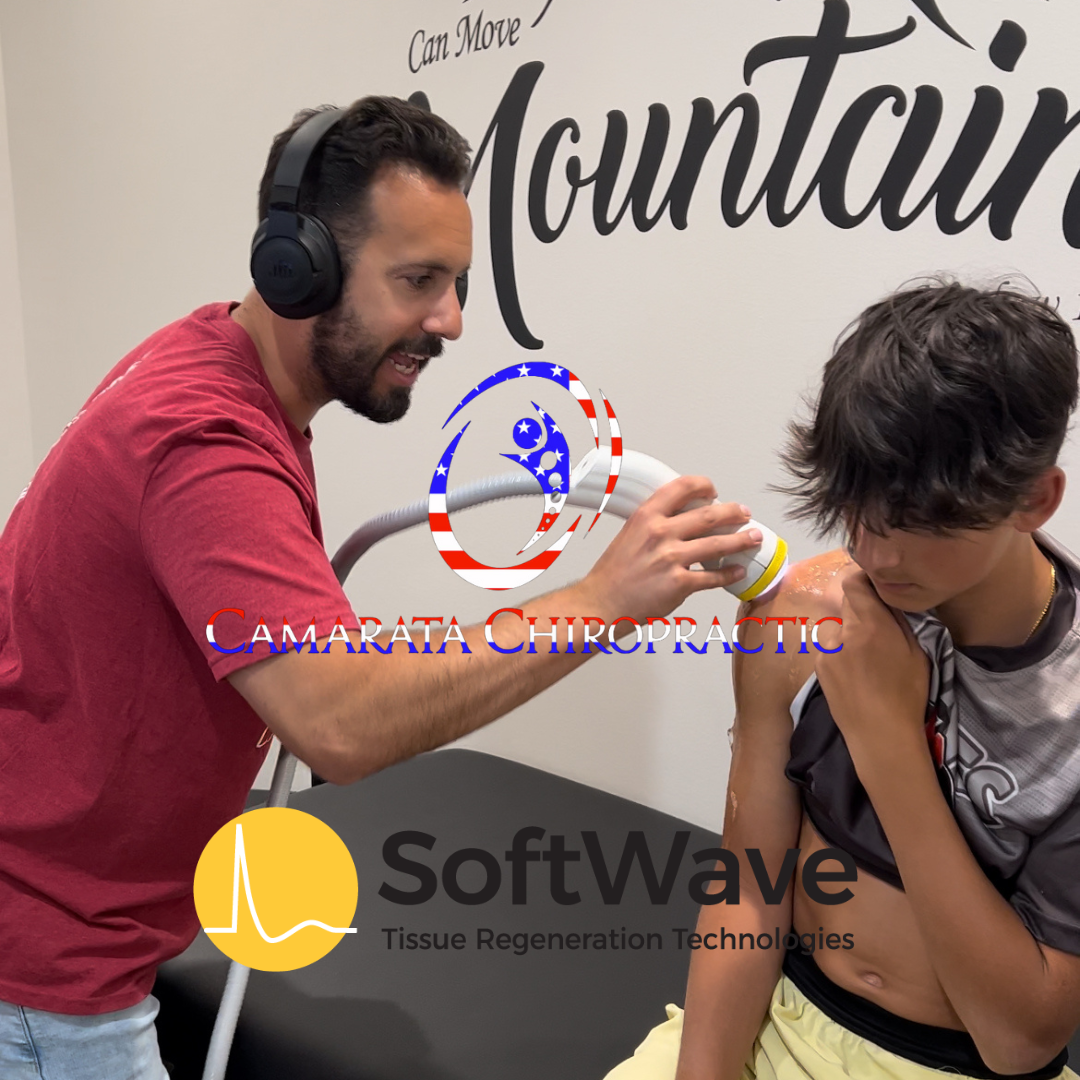
SoftWave Tissue Regeneration Therapy
SoftWave therapy delivers broad-focused electrohydraulic acoustic waves into tissues, stimulating healing responses.
This therapy may support nervous system function by:
-
Reducing inflammation
-
Improving circulation
-
Activating cellular repair pathways
-
Supporting tissue regeneration
When pain decreases and tissue health improves, the nervous system often becomes less reactive.
Red Light Therapy
Clinical-grade red and near-infrared light therapy supports mitochondrial function and cellular energy production.
Improved mitochondrial activity helps:
-
Increase cellular energy (ATP)
-
Reduce oxidative stress
-
Improve tissue recovery
-
Support nervous system efficiency
Many athletes and recovery specialists use red light therapy to enhance recovery and optimize physiological performance.
The Goal: Nervous System Resilience
A well-regulated nervous system allows the body to adapt efficiently to life’s demands.
When your nervous system is functioning well:
-
Stress is easier to manage
-
Recovery improves
-
Sleep becomes deeper
-
Energy levels stabilize
-
Pain sensitivity decreases
-
Performance improves
Instead of constantly reacting to stress, your body becomes more resilient and adaptable.
Small Daily Inputs Create Powerful Changes
One of the most important concepts in nervous system health is consistency.
Small daily practices can lead to significant improvements over time.
Breathing.
Movement.
Sunlight.
Sleep.
Recovery.
These simple inputs gradually retrain the nervous system and improve overall health.
Get a Hold of Us
If you are experiencing symptoms of nervous system dysregulation such as chronic stress, poor sleep, fatigue, persistent tension, or slow recovery, our team at Camarata Chiropractic & Wellness may be able to help.
Camarata Chiropractic & Wellness
3237 Union St
North Chili, NY 14514
Phone: 585-617-4145
Email: info@camaratachiropractic.com
Facebook: https://www.facebook.com/camaratachiropractic
Instagram: https://www.instagram.com/camarata_chiro/
Your body is designed to adapt, heal, and recover.
Sometimes it just needs the right inputs to restore balance.
New Patient Scheduler Online Here!
Existing patients: Use The Scheduling APP!
The information provided in this article is for educational and informational purposes only and is not intended as medical advice. Content shared on this website is not meant to diagnose, treat, cure, or prevent any condition. Individual health needs and circumstances vary. Always consult with your healthcare provider or speak with our team at Camarata Chiropractic & Wellness before making changes to your health, nutrition, hydration, exercise, or lifestyle routines.
‹ Back
Recent Posts
-

-
-

Your Child's First Chiropractic Visit: What Parents Can Expect
August 26, 2026
-

Red Light Therapy vs Tanning Beds: What Is Actually Different
August 22, 2026
-


 3237 Union St, North Chili, NY 14514
 (585) 617-4145