
Blog
The Neuroscience of Chiropractic: Proprioception and Spinal Health
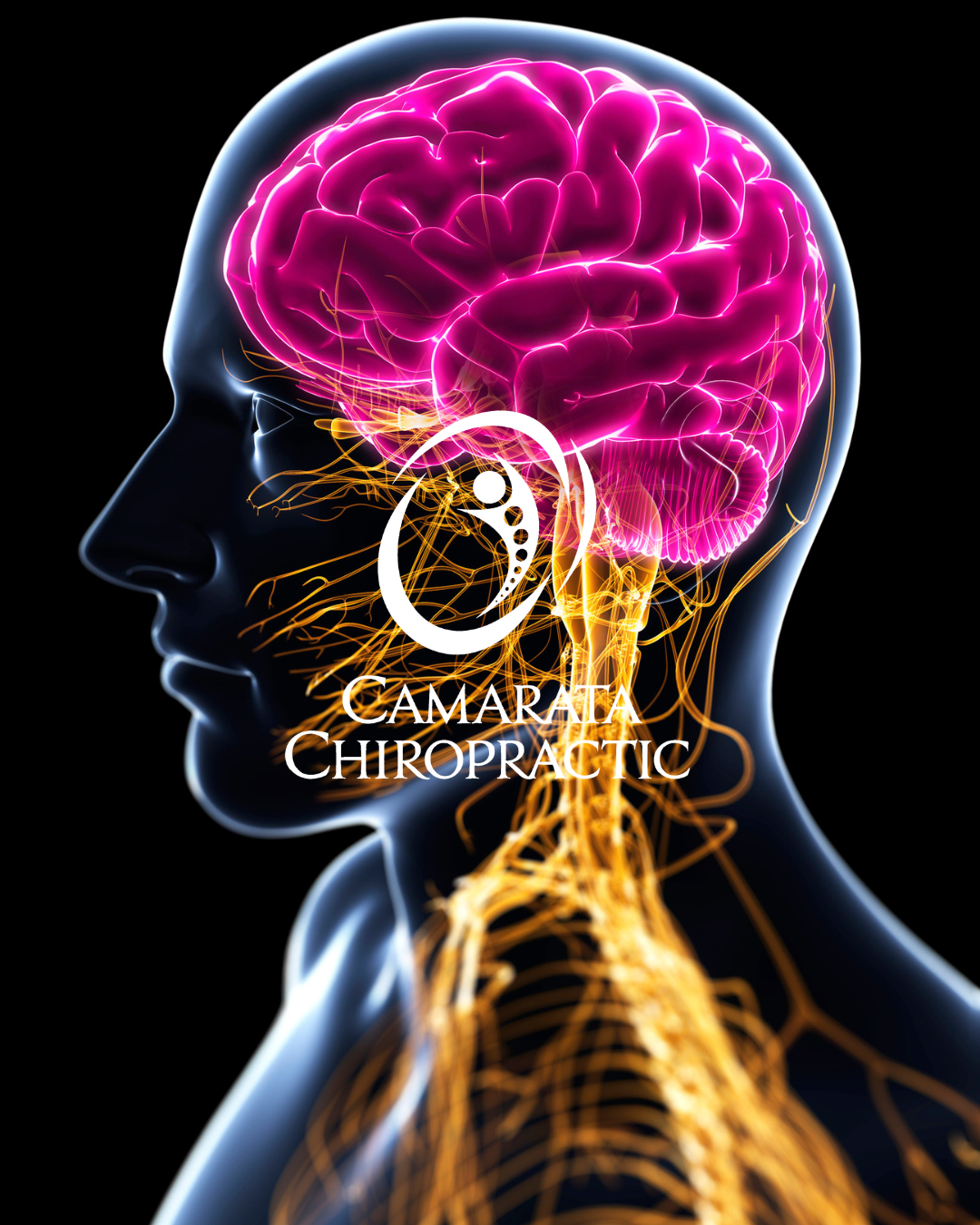
Your spine is more than a stack of bones, it is a highly intelligent, highly sensitive neuromechanical system. Every joint in your spine contains specialized receptors that constantly communicate with your brain, helping control posture, balance, muscle coordination, movement, and stability.
This communication system is called proprioception, often described as the body’s “sixth sense.” It tells your brain where your body is in space and how it is moving at all times.
When the spine is healthy, proprioceptive signals flow freely, creating smooth, coordinated, powerful movement. When the spine loses proper motion, due to stress, injuries, misalignment, or chronic tension, proprioception becomes distorted. This leads to stiffness, poor posture, instability, muscle imbalances, decreased performance, and pain.
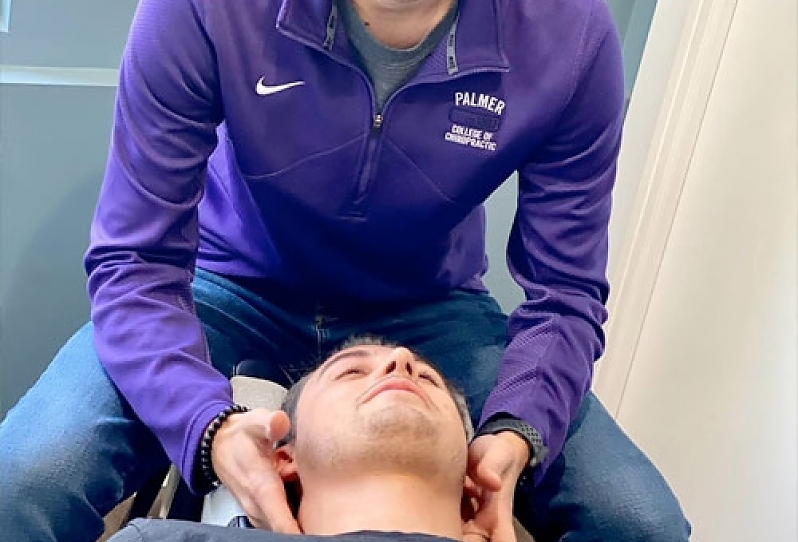
Chiropractic adjustments play a key role in restoring the accuracy of this neurological system, helping improve spinal health, mobility, and whole-body function.
What Is Proprioception and Why It Matters
Proprioception is your body's internal GPS. It involves sensors in muscles, tendons, ligaments, and joints that send constant feedback to the brain about position, motion, and load.
Healthy proprioception allows you to:
-
Walk without looking at your feet
-
Maintain balance
-
Move smoothly and efficiently
-
Coordinate complex motions (like swinging a golf club)
-
Prevent injury
-
Maintain good posture
-
React quickly to changes in your environment
When proprioception is impaired, you may feel:
-
Clumsiness
-
Poor balance
-
Tightness or stiffness
-
Reduced flexibility
-
Muscle fatigue
-
Difficulty activating certain muscles
-
Repetitive injuries
-
Chronic pain
Much of this begins in the spine.
How Spinal Joint Motion Influences Brain Function
Every time a spinal joint moves, it activates mechanoreceptors, tiny nerve endings that send signals to the brain about motion, speed, and position. These signals play a major role in:
-
Cortical brain activation
-
Muscle control
-
Reflex patterns
-
Coordination and balance
-
Postural strength
-
Stabilization
-
Pain modulation
When spinal joints become restricted (a subluxation), mechanoreceptors decrease their signaling. This lack of healthy input alters the brain’s map of the body, a concept known in neuroscience as sensorimotor integration.
Restricted spinal motion can cause the brain to misinterpret where the body is in space. This leads to compensations, imbalances, and overactive muscle groups.
This is one of the main reasons why people with spinal restrictions often feel “tight,” “crooked,” “misaligned,” or “off.”
The Role of Chiropractic Adjustments in Proprioceptive Health
A chiropractic adjustment is a direct neurological stimulus. It restores proper joint motion, which in turn restores proper mechanoreceptor firing and proprioceptive feedback.
Research shows that chiropractic adjustments:
Increase Brain Activation
Studies using EEG and fMRI show heightened activation of the prefrontal cortex following adjustments. This area of the brain controls:
-
Motor planning
-
Executive function
-
Coordination
-
Balance
-
Postural control
Improved prefrontal cortex activity means more accurate movement patterns and better body awareness.
Improve Joint Mechanoreceptor Function
Adjustments restore normal motion to restricted spinal joints. This increases mechanoreceptor activity and provides clearer, healthier signals to the brain.
Reduce Nociceptive (Pain) Input
Restricted joints increase pain receptor activity. Adjustments reduce this irritation, lowering pain signals and improving movement efficiency.
Rebalance Muscle Activation
Once joints move properly and proprioceptive signals normalize, muscles no longer over-tighten to compensate. This leads to immediate improvements in:
-
Flexibility
-
Strength
-
Stability
-
Symmetry
Enhance Movement Quality
Athletes, workers, students, and seniors all benefit from improved proprioception. Better neurological input equals better physical output.
Subluxations: How Misalignments Damage Proprioception
A subluxation is not just a “bone out of place.” It is a neuro-mechanical dysfunction that disrupts the flow of proprioceptive information.
When spinal joints lock up:
-
Mechanoreceptor input decreases
-
Pain receptor activity increases
-
Muscle tone becomes unbalanced
-
Reflex patterns shift
-
Posture becomes distorted
-
Movement becomes inefficient
-
Stability decreases
Left uncorrected, this downward spiral can lead to:
-
Degeneration and arthritis
-
Disc issues
-
Chronic tightness
-
Muscle imbalances
-
Repetitive injuries
-
Fatigue
-
Reduced performance
Chiropractic adjustments break this cycle by restoring the neuromechanics of the spine.
How Proprioception Influences Everyday Movement
Healthy proprioception affects every moment of your day. It impacts:
-
How you walk
-
How you lift
-
How you turn your head
-
How you sit and stand
-
How you balance
-
How you climb stairs
-
How you perform at work or in sports
Poor proprioception may show up as:
-
Stiff neck or back
-
Poor posture
-
Loss of flexibility
-
Frequent tripping or missteps
-
Difficulty with rotational sports
-
Tight hips or shoulders
-
Chronic tension
-
Muscles that feel “weak” or “shut off”
This is why restoring proper spinal motion has such profound whole-body effects.
Athletes and Proprioceptive Chiropractic Care
Athletes rely heavily on proprioception for performance. Golfers, in particular, depend on:
-
Rotation
-
Stability
-
Timing
-
Balance
-
Coordination
-
Power transfer
Our chiropractors are Titleist Performance Institute (TPI) certified, allowing our clinic to analyze movement patterns and identify proprioceptive deficits that affect swing efficiency.
Chiropractic adjustments enhance:
-
Spinal rotation
-
Hip mobility
-
Shoulder stability
-
Core activation
-
Balance and coordination
-
Reaction time
-
Muscle recruitment
This leads to improved performance and decreased injury risk.
Chiropractic Care and Aging: Why Proprioception Declines Over Time
As we age, proprioceptive function naturally declines due to:
-
Decreased joint motion
-
Muscle atrophy
-
Degenerative changes
-
Sedentary lifestyle
-
Poor posture
-
Neurological slowdown
Chiropractic adjustments help maintain mobility, stimulate mechanoreceptors, and keep the nervous system sharp, making them essential for healthy aging.
Patients frequently report improvements in:
-
Balance
-
Stability
-
Walking confidence
-
Flexibility
-
Posture
-
Overall coordination
This is one reason chiropractic helps reduce falls and mobility loss in older adults.
Enhancing Proprioception at Camarata Chiropractic & Wellness in North Chili, NY
Our office provides a comprehensive system for improving spinal proprioception and neurological health. Care plans may include:
-
Chiropractic adjustments
-
SoftWave Tissue Regeneration Therapy
-
Postural restoration and mobility work
-
Myofascial release techniques
-
Athletic movement assessments
-
Spinal X-rays for structural analysis
-
Extremity adjustments for ankles, knees, hips, shoulders, wrists, and ribs
This integrative approach strengthens both the spine and the nervous system.
Strengthen Your Spine, Strengthen Your Nervous System
If you want to improve posture, performance, balance, and long-term neurological health, chiropractic care can help restore the proprioceptive accuracy your body relies on every second of the day.
Camarata Chiropractic & Wellness
3237 Union St, North Chili, NY 14514
Phone: 585-617-4145
Email: info@camaratachiropractic.com
Facebook: https://www.facebook.com/camaratachiropractic
Instagram: https://www.instagram.com/camarata_chiro/
New Patient Scheduler Online! Click Here! Come Experience Chiropractic!

The Neuroscience of Chiropractic: Proprioception and Spinal Health – FAQ
What is proprioception?
Proprioception is the body’s ability to sense movement, position, and spatial orientation. It allows you to move efficiently, maintain balance, coordinate muscles, and control posture without relying on vision.
How does the spine influence proprioception?
The spine is filled with mechanoreceptors, specialized nerve endings that send constant feedback to the brain about joint motion and body position. When spinal joints move properly, proprioceptive signals are accurate and efficient. When joints become restricted, these signals become distorted.
What happens when proprioception is impaired?
Impaired proprioception can lead to poor balance, stiffness, muscle tightness, reduced coordination, instability, postural imbalances, slower reaction times, and increased risk of injury. Many chronic pain patterns begin with faulty proprioceptive signaling.
How do chiropractic adjustments improve proprioception?
Chiropractic adjustments restore normal joint motion, which increases mechanoreceptor activity. This provides clearer, more accurate sensory input to the brain, improving motor control, muscle activation, stability, and movement efficiency.
Can chiropractic care improve brain function?
Yes. Research shows chiropractic adjustments positively influence brain regions such as the prefrontal cortex, responsible for coordination, balance, attention, and motor planning. Improved sensory input from the spine enhances overall neurological function.
How do subluxations interfere with proprioception?
Subluxations restrict joint motion and alter the firing of mechanoreceptors. This reduces healthy sensory input to the brain and increases nociceptive (pain) signals. The result is poor movement patterns, muscle imbalance, and reduced stability.
What symptoms suggest poor spinal proprioception?
Common signs include chronic tightness, poor posture, balance issues, coordination difficulties, recurring injuries, stiffness, instability, and movement that feels “off” or uncoordinated.
Is chiropractic beneficial for athletes who rely on proprioception?
Yes. Athletes depend heavily on proprioception for power, timing, balance, rotation, agility, and precision. Chiropractic adjustments enhance joint motion and neuromuscular control, improving performance and reducing injury risk.
Can chiropractic care improve proprioception as we age?
Aging naturally reduces proprioceptive ability due to degenerative changes, decreased mobility, and reduced neural efficiency. Chiropractic helps maintain joint motion, stimulate mechanoreceptors, improve balance, and enhance movement confidence in older adults.
How quickly does proprioception improve after an adjustment?
Many patients experience immediate changes in balance, mobility, and muscle activation after an adjustment. Proprioceptive improvement continues over time as consistent chiropractic care restores optimized joint mechanics and neurological communication.
Can poor proprioception contribute to chronic pain?
Yes. Faulty proprioceptive signaling leads to dysfunctional movement patterns and increased mechanical stress on joints and tissues. This often results in chronic pain, recurring tightness, and long-term compensatory patterns.
How does chiropractic support sensorimotor integration?
Sensorimotor integration is the brain’s process of interpreting sensory signals and producing coordinated movement. Chiropractic adjustments improve the quality of sensory input from the spine, enhancing the brain’s ability to create accurate, efficient motor responses.
‹ Back
Recent Posts
-

-
-

October Unlimited Red Light Therapy Special - ONLY $299!
September 30, 2026
-

Maintenance Care: Why Feeling Good Is the Point, Not the Finish Line
September 29, 2026
-

Round Ligament Pain in Pregnancy: Sharp, Sudden and Usually Normal
September 27, 2026


 3237 Union St, North Chili, NY 14514
 (585) 617-4145