
Blog
What Are Subluxations? Understanding Misalignments and Nervous System Interference
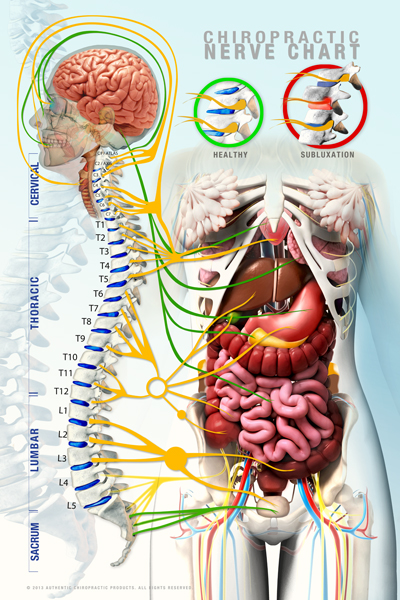
At Camarata Chiropractic in North Chili, NY, a very common question patients ask us is: “What exactly is a subluxation?”
Subluxations are more than “bones out of place.” They are functional misalignments and movement restrictions within the spine that interfere with the nervous system, your body’s master control system.
When a subluxation develops, it alters joint motion, creates mechanical stress, increases inflammation, irritates nearby nerves, and disrupts the communication pathways between the brain and body. Over time, this leads to pain, stiffness, degeneration, poor posture, and reduced overall health.
Chiropractic care specializes in identifying, correcting, and preventing subluxations, allowing the body to heal, repair, and function at its highest potential.
How Subluxations Form: The Three Stressors That Shift the Spine
Subluxations don’t happen randomly. Research and clinical observation show they stem from three major categories of stress:
Physical Stressors
These include:
-
Poor posture
-
Long hours sitting
-
Sports injuries
-
Repetitive motions
-
Lifting and bending
-
Car accidents
-
Falls
-
Pregnancy-related changes
Physical overload causes joints to lock up, muscles to tighten, and spinal segments to lose their optimal motion patterns.
Chemical / Biochemical Stressors
Your chemistry affects your neurology:
-
Poor nutrition
-
Inflammation
-
Dehydration
-
Environmental toxins
-
Medication side effects
-
Blood sugar fluctuations
Chemical stress alters the tone of your muscles, ligaments, and nerve pathways, making the spine more vulnerable to misalignment.
Mental / Emotional Stressors
When you are mentally overwhelmed, your body responds physically. Stress increases muscular tension, shallow breathing, and sympathetic “fight or flight” activation. This tension creates abnormal pulling on the spine, making it easier for subluxations to form.
The body keeps score. Stress shows up in posture, muscle tension, breathing patterns, and nervous system tone.
What a Subluxation Does to the Nervous System
A subluxation can affect your neurology in several key ways:
Altered Joint Mechanics
Restricted or abnormal spinal motion changes how receptors in the joints send signals to the brain. Poor movement equals poor feedback, and your brain relies on accurate feedback for balance, posture, and muscle control.
Inflammation and Swelling
Joint irritation leads to local inflammation. This creates chemical irritation around the nerves, causing pain, stiffness, and reduced mobility.
Nerve Interference
When the spinal joints shift or tighten, the nearby nerves can become compressed, stretched, or irritated. This may lead to:
-
Muscle spasms
-
Pain referral
-
Tingling or numbness
-
Sciatica
-
Headaches
-
Reduced organ function (viscerosomatic response)
Sympathetic Dominance
A chronically irritated nervous system keeps the body stuck in stress mode. Patients often experience:
-
Trouble sleeping
-
Anxiety
-
Fatigue
-
Poor digestion
-
Weakened immune function
-
Hormone fluctuations
Chiropractic adjustments help shift the body back toward parasympathetic “rest and repair” function.
The Science Behind Subluxations and Neurological Function
Modern research supports the neurological impact of spinal misalignments. Studies show:
-
Joint fixation alters proprioceptive input, influencing balance, muscle tone, and coordination.
-
Spinal adjustments improve cortical brain activity, particularly in areas related to movement and sensory processing.
-
Improved spinal motion reduces inflammatory cytokines, lowering pain and improving healing.
-
MRI and fMRI studies demonstrate changes in brain connectivity post-adjustment, showing chiropractic has measurable neurological impact.
Subluxations are not merely structural, they are neurostructural, affecting both the body and the brain.
Common Symptoms and Conditions Linked to Subluxations
While every patient is unique, subluxations commonly contribute to:
-
Neck pain
-
Back pain
-
Headaches and migraines
-
Sciatica
-
Shoulder and hip pain
-
Disc herniations
-
Muscle tightness
-
Poor posture
-
TMJ issues
-
Nerve pain or tingling
-
Sports injuries
-
Decreased mobility
-
Fatigue and chronic tension
They can also weaken the body’s resilience, making you more susceptible to recurring injuries.
How Chiropractors Detect Subluxations
At Camarata Chiropractic & Wellness, we use a blend of science, technology, and clinical expertise to evaluate your spine:
Digital Spinal X-Rays
These help assess:
-
Alignment
-
Disc health
-
Degenerative changes
-
Spinal curvature
-
Biomechanical imbalances
Orthopedic & Neurological Testing
These tests evaluate nerve function, joint motion, muscle strength, and structural integrity.
Motion & Palpation Analysis
Hands-on assessment allows us to feel:
-
Joint restriction
-
Muscular imbalance
-
Inflammation
-
Tenderness
Posture & Mobility Assessment
Posture is a window into nervous system function. Forward head posture, uneven shoulders, and rotated pelvis patterns often reveal underlying subluxations.
Correcting Subluxations: How Chiropractic Adjustments Help
A chiropractic adjustment helps restore normal motion, reduce irritation, and improve nervous system communication. Benefits include:
-
Reduced pain and tension
-
Improved range of motion
-
Greater strength and stability
-
Better posture
-
Enhanced mobility
-
Increased healing response
-
Improved neurological function
-
Reduced inflammation
-
Improved stress adaptation
Many patients also report better sleep, digestion, breathing, and energy, because a balanced spine supports whole-body health.
Subluxations Left Uncorrected: What Happens Over Time
Ignoring spinal misalignments can lead to:
-
Chronic pain
-
Degeneration and arthritis
-
Loss of disc height
-
Repetitive injury cycles
-
Muscle imbalance
-
Reduced performance
-
Postural decline
-
Increased stress hormones
-
Slower healing
The longer a subluxation remains, the harder it becomes for the body to self-correct. This is why early detection and consistent chiropractic maintenance matter.
Local Relevance: Why Chili, Spencerport & Rochester Families See Us for Nervous System Based Care
People in the Rochester, NY area commonly deal with:
-
Long commutes
-
Computer-heavy jobs
-
Stressful schedules
-
Youth sports injuries
-
Cold-weather stiffness
-
Postural challenges
These lifestyle factors fuel the development of subluxations. Our community benefits greatly from corrective chiropractic care, SoftWave Tissue Regeneration Therapy, red light therapy, and our whole-body wellness programs designed to restore optimal function.
Take the Next Step Toward Better Nervous System Health
If you’re experiencing pain, stiffness, poor posture, or chronic stress, or you simply want to optimize your nervous system, chiropractic care may be exactly what your body needs.
Camarata Chiropractic & Wellness
3237 Union St, North Chili, NY 14514
Phone: 585-617-4145
Email: info@camaratachiropractic.com
Facebook: https://www.facebook.com/camaratachiropractic
Instagram: https://www.instagram.com/camarata_chiro/
New Patient Scheduler Online! Click Here! Come Experience Chiropractic!

What Are Subluxations? Understanding Misalignments and Nervous System Interference – FAQ
What is a vertebral subluxation?
A vertebral subluxation, or also referred to as subluxation to shorten the wording, is a spinal joint dysfunction involving restricted movement, misalignment, inflammation, and altered neurological signaling. It disrupts normal communication between the brain and body, often leading to pain, stiffness, muscle imbalance, and decreased function.
How do subluxations affect the nervous system?
Subluxations distort proprioceptive input from the spine, irritate nearby nerves, increase pain receptor activity, and alter how the brain receives sensory information. This interference disrupts posture, movement patterns, muscle activation, and overall neurological function.
What causes subluxations?
Subluxations form due to physical stress (poor posture, injuries, repetitive strain), chemical stress (inflammation, poor nutrition, toxins), and emotional stress (tension, anxiety, prolonged sympathetic activation). These stressors create abnormal spinal mechanics and restricted joint movement.
What symptoms can subluxations create?
Common symptoms include back or neck pain, headaches, stiffness, reduced mobility, muscle tightness, poor posture, numbness or tingling, sciatica, fatigue, tension, and loss of coordination. Some individuals may experience decreased organ function due to altered nerve pathways.
How do chiropractors detect subluxations?
Chiropractors use digital spinal x-rays, orthopedic and neurological testing, motion palpation, postural assessment, movement analysis and various nerve and muscle evaluation technologies to identify restricted joints, misalignments, and nervous system interference.
How do chiropractic adjustments correct subluxations?
Adjustments restore proper joint motion, reduce inflammation, relieve nerve irritation, and normalize proprioceptive input to the brain. This helps improve mobility, posture, stability, coordination, and overall nervous system function.
Can subluxations exist without pain?
Yes. Many subluxations are asymptomatic in early stages. Joint restrictions and neurological interference can develop long before pain appears. This is why regular chiropractic evaluations are beneficial even without symptoms.
What happens if subluxations are left untreated?
Untreated subluxations can lead to chronic pain, degenerative changes, disc stress, arthritis, muscle imbalance, poor posture, decreased mobility, repetitive injuries, and long-term nervous system dysfunction.
Are subluxations linked to stress?
Yes. Emotional and mental stress increase muscle tension, alter breathing patterns, and shift the body into sympathetic overdrive. These changes create structural imbalances that contribute to subluxation formation and nerve interference.
Can chiropractic care prevent subluxations?
Regular chiropractic adjustments help maintain spinal mobility, reduce mechanical stress, improve posture, support a healthy nervous system, and address imbalances before they become chronic dysfunctions.
Do subluxations affect athletic performance?
Yes. Subluxations reduce mobility, disrupt proprioception, weaken stability, and decrease coordination. Athletes often experience improved performance, rotation, balance, and injury prevention with chiropractic care.
How do subluxations impact posture?
Restricted joints and muscle imbalances caused by subluxations shift the body out of alignment. Over time, this results in forward head posture, uneven shoulders, pelvic rotation, and compensatory movement patterns.
‹ Back
Recent Posts
-
-
-

October Unlimited Red Light Therapy Special - ONLY $299!
September 30, 2026
-

Maintenance Care: Why Feeling Good Is the Point, Not the Finish Line
September 29, 2026
-

Round Ligament Pain in Pregnancy: Sharp, Sudden and Usually Normal
September 27, 2026


 3237 Union St, North Chili, NY 14514
 (585) 617-4145