
Blog
Why Your Body Doesn’t Heal as Fast as It Used To: The Science Behind Slower Recovery and What You Can Do About It

Many people notice the same frustrating pattern as they get older.
When you were younger, you could twist an ankle, strain your back, or overdo it during a workout and feel better in just a few days. Now, that same injury can linger for weeks or even months.
A sore knee after running.
A stiff neck after sleeping wrong.
A nagging shoulder that never seems to fully resolve.
Patients often say, “I guess I’m just getting older.”
But aging alone is not the full explanation.
There are very real biological changes that occur in the body over time that affect how quickly tissues repair, how efficiently cells produce energy, and how effectively the nervous system coordinates healing. Understanding these changes can help you take a more proactive approach to maintaining recovery capacity and overall health.
At Camarata Chiropractic & Wellness in North Chili, NY, we focus on helping patients restore the body's natural healing mechanisms rather than simply masking symptoms.
Let’s look at why healing slows down and what you can do to support your body’s recovery systems.
Your Body Is Always Repairing Itself
The human body is built with extraordinary regenerative potential.
Every day your body is constantly repairing and replacing cells, rebuilding tissues, and adapting to stress. This process involves complex communication between:
-
Cells
-
Blood vessels
-
The nervous system
-
Hormones
-
The immune system
When you experience an injury or inflammation in tissue such as muscle, ligament, tendon, or joint cartilage, your body initiates a biological repair sequence.
This sequence typically involves:
-
Inflammation to signal injury and recruit repair cells
-
Increased blood flow to deliver oxygen and nutrients
-
Activation of growth factors and stem cells
-
Tissue remodeling to rebuild stronger structures
When these systems are functioning optimally, recovery can happen relatively quickly.
However, several factors can interfere with this process.
Why Healing Slows Down Over Time
Cellular Repair Becomes Less Efficient
Your body contains trillions of cells responsible for maintaining tissue health and performing repair.
Over time, cellular activity can slow due to factors such as:
-
Oxidative stress
-
Chronic inflammation
-
Poor metabolic health
-
Mitochondrial dysfunction
Mitochondria are the energy producers inside your cells. When mitochondrial function declines, the body has less energy available to drive tissue repair and regeneration.
This is one reason people often experience slower recovery from workouts, injuries, and daily stress as they age.
Blood Flow to Injured Tissue Decreases
Circulation plays a critical role in healing.
Blood delivers oxygen, nutrients, and immune cells to injured areas while removing waste products created during inflammation and repair.
Certain tissues in the body, such as tendons, ligaments, and cartilage, already have limited blood supply. As circulation decreases with age, healing in these tissues can become even slower.
This is why conditions like tendonitis, plantar fasciitis, and chronic joint pain often linger without proper intervention.
Chronic Inflammation Disrupts Healing
Inflammation is a normal part of healing, but chronic inflammation is different.
Lifestyle factors such as poor nutrition, high sugar intake, stress, lack of sleep, and sedentary behavior can create a persistent inflammatory state in the body.
When inflammation becomes chronic, the body may struggle to move past the initial phase of healing. Instead of progressing to repair and remodeling, tissues remain irritated and sensitive.
This often leads to lingering pain and repeated flare-ups.
Nervous System Dysregulation Slows Recovery
The nervous system plays a major role in coordinating healing.
The brain constantly communicates with tissues throughout the body through nerve pathways. This communication regulates muscle tone, circulation, inflammation, and tissue repair.
When the nervous system becomes dysregulated due to stress, injury, poor posture, or spinal dysfunction, the body’s ability to adapt and recover can be compromised.
Chiropractic care focuses on restoring proper nervous system communication so the body can function and heal more efficiently.
Muscles and Connective Tissue Lose Elasticity
Over time, muscles, fascia, ligaments, and tendons can lose elasticity and strength.
This makes tissues more vulnerable to strain and injury, especially if mobility and strength training are neglected.
When tissues are stiff or dehydrated, they absorb mechanical stress less effectively. This increases the likelihood of repetitive stress injuries and chronic pain patterns.
Maintaining mobility, strength, and tissue health is essential for preserving recovery capacity.
How to Support Your Body’s Natural Healing Ability
The good news is that while healing may slow with age, there are many ways to support and stimulate your body's regenerative systems.
Healing capacity is influenced by daily habits as well as targeted therapies that stimulate cellular repair.
Optimize Nervous System Function
Proper spinal movement and alignment help ensure the nervous system can communicate effectively with muscles, joints, and organs.
Chiropractic adjustments help improve mobility, reduce tension in surrounding tissues, and support nervous system balance.
Improve Circulation and Cellular Energy
Therapies that stimulate blood flow and cellular metabolism can help re-activate the healing process in stubborn injuries.
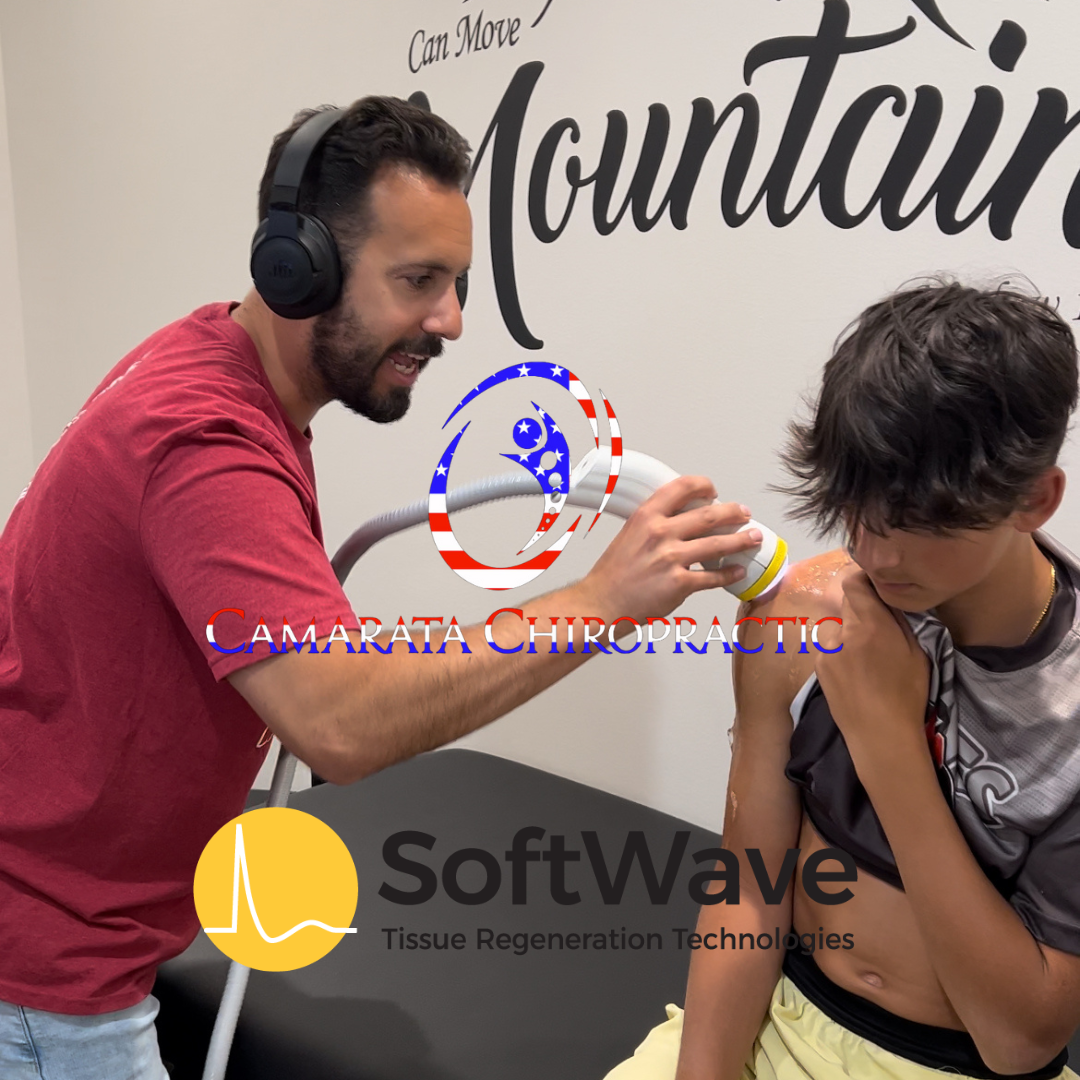
At Camarata Chiropractic & Wellness, we utilize advanced regenerative technologies designed to support tissue repair and recovery.
One example is SoftWave Tissue Regeneration Therapy.
SoftWave Therapy uses broad-focused electrohydraulic acoustic waves to stimulate biological healing responses in injured tissue. These waves trigger cellular signaling pathways, improve circulation, and help recruit the body’s own repair mechanisms.
Support Mitochondrial Function
Healthy mitochondria are essential for energy production and tissue regeneration.
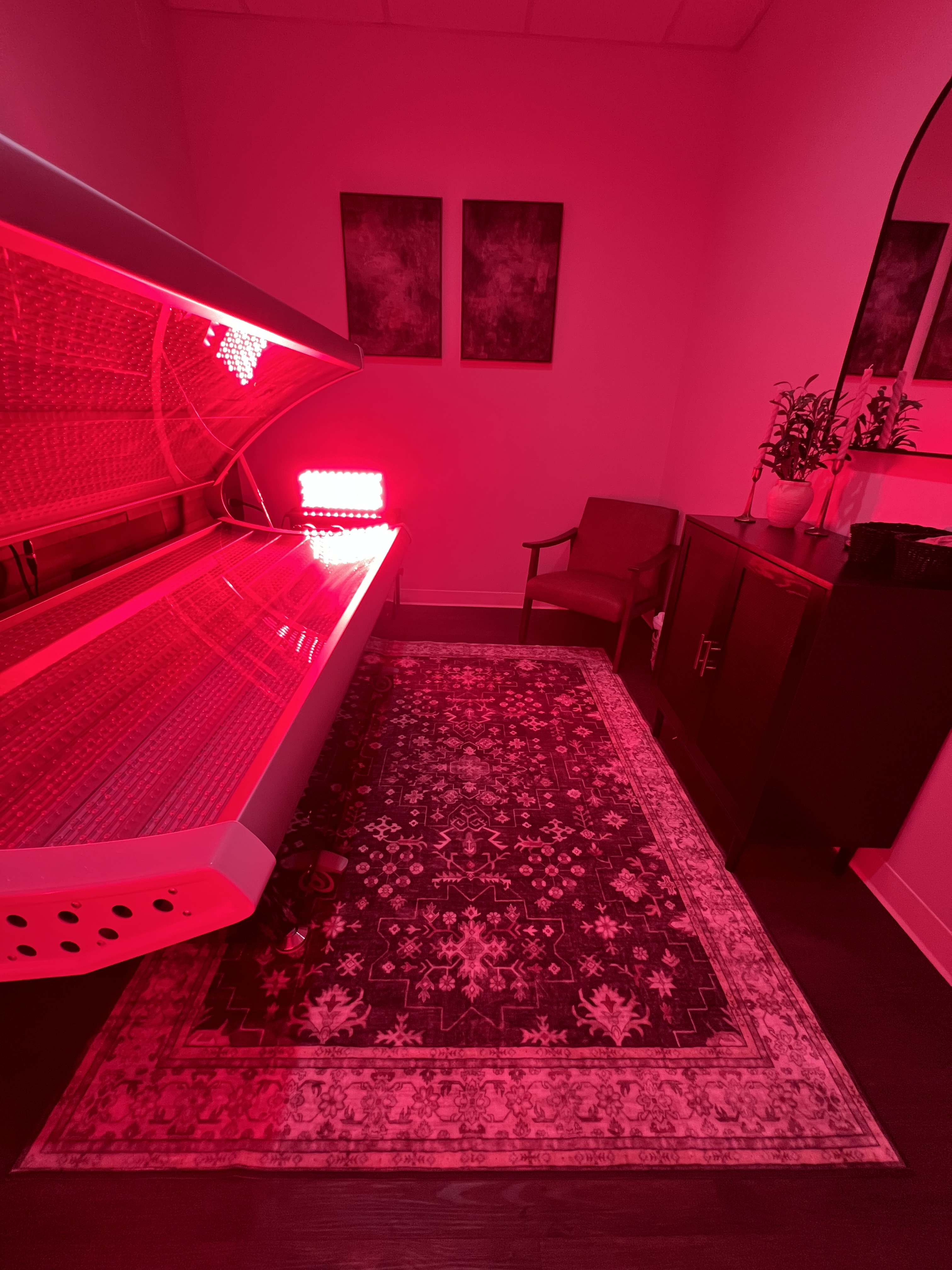
Clinical-grade red light therapy supports mitochondrial activity by stimulating cellular energy production, improving circulation, and enhancing recovery.
Many athletes and patients use red light therapy to support muscle recovery, joint health, and overall cellular function.
Reduce Chronic Inflammation Through Lifestyle
Daily habits have a significant impact on inflammation and recovery.
Key factors include:
-
Eating whole, nutrient-dense foods
-
Staying hydrated with adequate electrolytes
-
Prioritizing quality sleep
-
Managing stress through breathing, prayer, or meditation
-
Maintaining regular movement and mobility
Even small improvements in these areas can significantly enhance healing potential.
Strengthen and Mobilize the Body
Mobility work, stretching, and strengthening exercises help maintain joint integrity and tissue resilience.
Healthy tissues tolerate stress better and recover faster after activity.
This is especially important for athletes and active individuals who want to maintain long-term performance and injury resistance.
Healing Is Not Just About Pain Relief
One of the biggest misconceptions in healthcare is that pain relief equals healing.
Pain is simply a signal. It does not always reflect the true state of tissue health.
True healing involves restoring function at multiple levels:
-
Cellular health
-
Circulation
-
Nervous system regulation
-
Tissue strength and mobility
When these systems improve together, the body can recover more effectively and maintain long-term resilience.
When Should You Seek Help?
If pain or an injury has been lingering longer than expected, it may be a sign that the healing process has stalled.
Many patients come to our office after trying rest, medications, or traditional rehabilitation without lasting results.
In these cases, the body often needs a stimulus that reactivates the biological healing process.
This is where regenerative technologies and integrated care can make a meaningful difference.
Get a Hold of Us
If you are dealing with lingering pain, slow recovery, or an injury that simply won’t heal, our team at Camarata Chiropractic & Wellness is here to help.
Camarata Chiropractic & Wellness
3237 Union St
North Chili, NY 14514
Phone: 585-617-4145
Email: info@camaratachiropractic.com
Facebook: https://www.facebook.com/camaratachiropractic
Instagram: https://www.instagram.com/camarata_chiro/
Your body was designed to heal. Sometimes it just needs the right support to restart the process.
New Patient Scheduler Online Here!
The information provided in this article is for educational and informational purposes only and is not intended as medical advice. Content shared on this website is not meant to diagnose, treat, cure, or prevent any condition. Individual health needs and circumstances vary. Always consult with your healthcare provider or speak with our team at Camarata Chiropractic & Wellness before making changes to your health, nutrition, hydration, exercise, or lifestyle routines.
‹ Back
Recent Posts
-
-
-
Your Child's First Chiropractic Visit: What Parents Can Expect
August 26, 2026
-
Red Light Therapy vs Tanning Beds: What Is Actually Different
August 22, 2026
-


 3237 Union St, North Chili, NY 14514
 (585) 617-4145