
Blog
Hydration Isn’t Just About Drinking Water, It’s About Drinking the Right Water
Hydration is one of the most misunderstood aspects of health.
Many people believe they are properly hydrated simply because they “drink a lot of water.” Yet despite this effort, they continue to struggle with fatigue, headaches, brain fog, muscle tightness, low energy, and even stubborn cravings.
Why?
Because hydration is not just about volume. It is about water quality, mineral balance, and cellular absorption.
Your body does not run on water alone. Your cells rely on a precise combination of fluids and electrolytes to function optimally. Without that balance, even large amounts of water may fail to deliver true hydration.
Let’s break this down.
Hydration: A Cellular Process, Not Just Fluid Intake
When most people think of hydration, they picture filling a glass and drinking.
But hydration is fundamentally a cellular event.
Water must:
• Be absorbed efficiently
• Enter the bloodstream
• Reach tissues
• Move into cells
• Remain inside cells
This entire process is driven by electrolytes and minerals, not just fluid intake.
Without adequate minerals, water struggles to remain where it is needed most, inside your cells.
This is why someone can drink significant amounts of water and still experience symptoms commonly associated with dehydration.
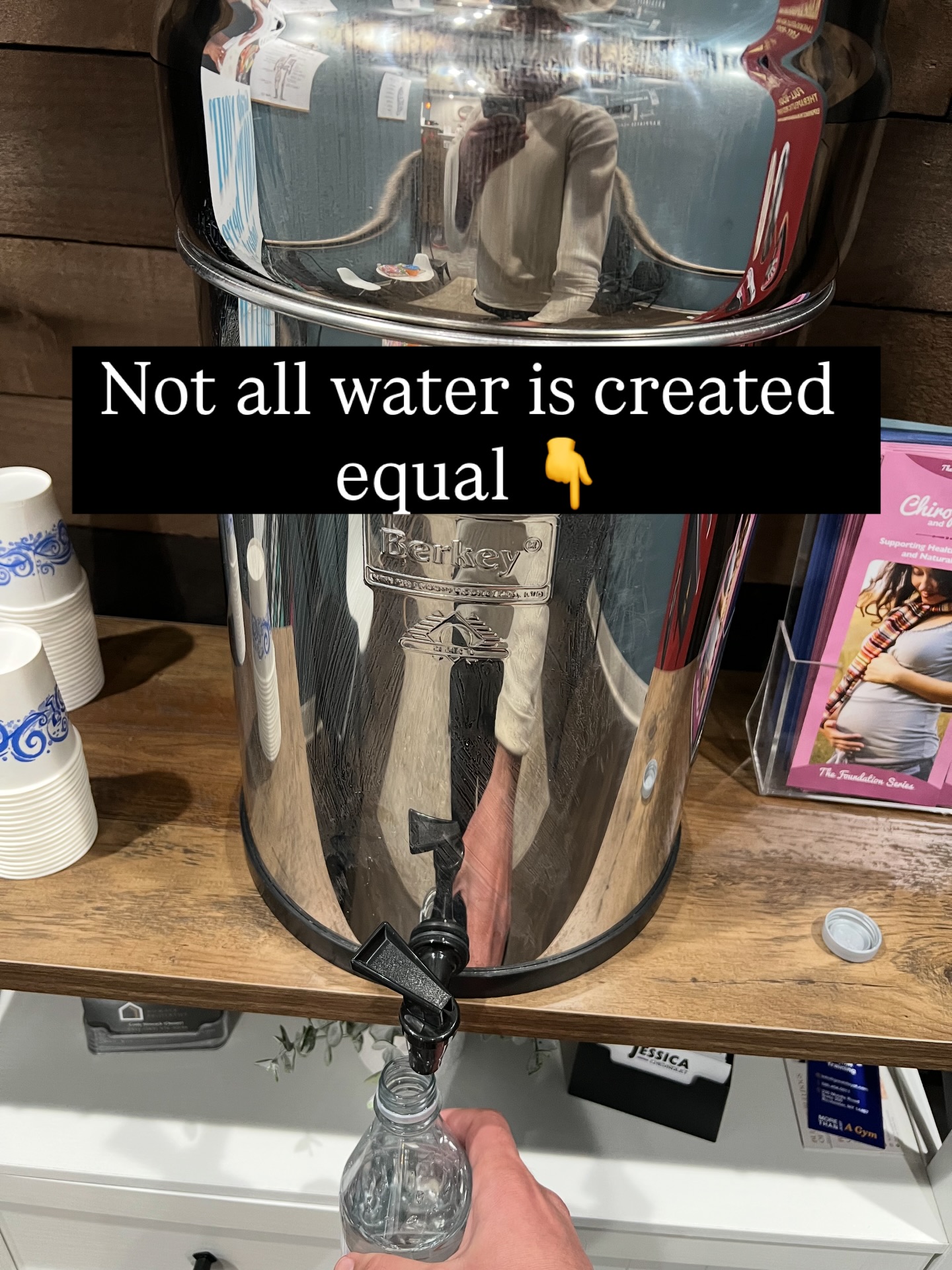
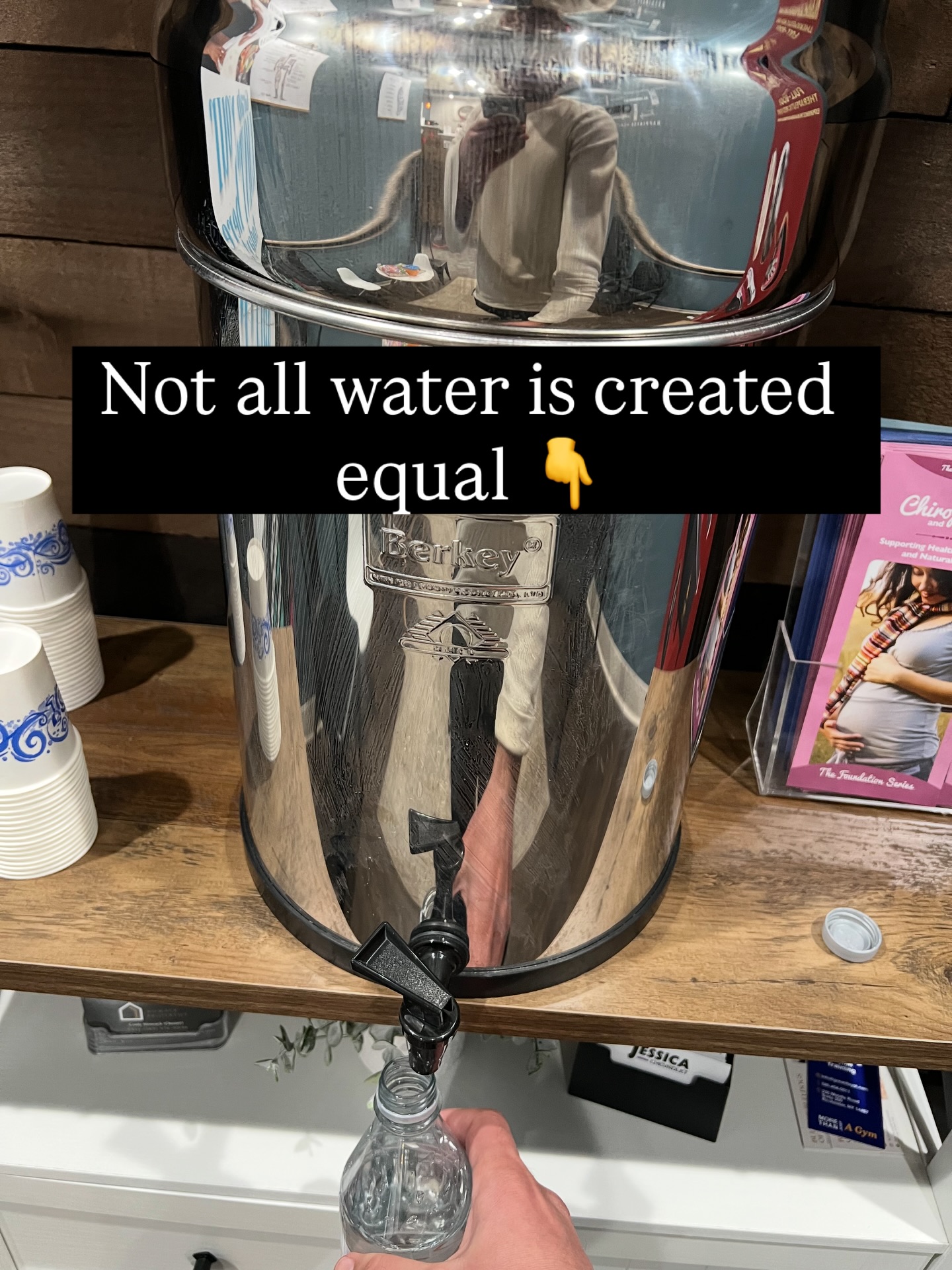
Not All Water Is Created Equal
Different types of water impact the body differently. Understanding these differences can dramatically improve hydration, energy, and overall function.
Filtered Water: A Strong Daily Foundation
Filtered water is typically tap water that has undergone filtration to remove contaminants such as chlorine, heavy metals, and chemical residues.
Benefits:
• Improved taste and smell
• Reduced toxin exposure
• Easily accessible
Important Consideration:
Some filtration systems, particularly reverse osmosis, remove beneficial minerals along with unwanted substances. In these cases, remineralization becomes essential.
Filtered water is an excellent everyday hydration base when paired with adequate mineral intake.
Spring Water: Naturally Mineral-Rich
Spring water is sourced from underground aquifers and typically contains naturally occurring minerals.
Benefits:
• Contains calcium, magnesium, potassium, and trace minerals
• Often better mineral balance than purified water
• Supports cellular hydration
Spring water can be a great choice for individuals seeking a more natural mineral profile.
Mineral Water: Hydration with Functional Support
Mineral water contains higher concentrations of naturally occurring minerals.
Benefits:
• Supports muscle and nerve function
• Improves fluid retention at the cellular level
• Enhances hydration efficiency
This type of water can be particularly beneficial for active individuals, athletes, and those who sweat frequently.
Purified / Reverse Osmosis (RO) Water: Clean but Mineral-Depleted
Reverse osmosis systems produce extremely clean water by stripping away nearly all dissolved substances, including beneficial minerals.
Benefits:
• Removes toxins, chemicals, and contaminants
Important Consideration:
RO water is mineral-depleted. While clean, it lacks the electrolytes necessary for optimal cellular hydration.
Long-term consumption without remineralization may contribute to:
• Poor fluid retention
• Increased electrolyte imbalance
• Persistent dehydration symptoms
RO water is best paired with added minerals or electrolytes.
Electrolyte / Mineralized Water: The Hydration Upgrade
Electrolyte-enhanced water contains key minerals such as sodium, potassium, and magnesium.
Benefits:
• Supports cellular fluid absorption
• Improves nervous system function
• Enhances muscle performance
• Stabilizes energy levels
This approach is particularly valuable for:
• Morning hydration
• Exercise and recovery
• Sauna use
• High stress periods
• Travel
True hydration requires minerals. This is where most people fall short.
Why Minerals Matter So Much
Electrolytes regulate fluid balance through osmotic gradients. In simple terms:
Minerals help your cells hold onto water.
Without them:
• Water passes through the body too quickly
• Cells struggle to maintain optimal hydration
• Symptoms persist despite high fluid intake
Common signs of inadequate mineral-supported hydration include:
• Frequent urination
• Fatigue
• Headaches
• Brain fog
• Muscle tightness
• Lightheadedness
• Cravings
Hydration is not simply about drinking more water. It is about improving water utilization.
How Much Water Should You Drink Per Day?
There is no universal magic number.
However, a reliable starting point for most adults is:
Half your bodyweight (in pounds) in ounces of water per day
Example:
• 150 lbs → ~75 oz daily
• 180 lbs → ~90 oz daily
• 200 lbs → ~100 oz daily
This is a baseline, not a rigid rule.
Your needs increase with:
• Exercise
• Sweating
• Sauna use
• Illness
• Stress
• Travel
• Caffeine intake
The goal is not perfection. The goal is physiological support.
A Practical Hydration Marker Most People Miss
Many hydration guidelines focus only on urine color.
While helpful, this is incomplete.
Optimal hydration often presents as:
• Stable energy
• Clear mental focus
• Reduced headaches
• Improved muscle function
• Light (but not completely clear) urine
Crystal-clear urine is not always the target. It may indicate excessive dilution of electrolytes.
Balance matters.
The Modern Hydration Problem
Today’s world increases hydration challenges:
• High stress lifestyles
• Processed foods
• Increased sweating (exercise, sauna)
• High caffeine intake
• Mineral-depleted water sources
Many individuals are not simply under-hydrated.
They are under-mineralized.
Hydration and Performance, Recovery, and Health
Proper hydration influences:
• Brain function
• Nervous system regulation
• Joint lubrication
• Muscle contraction
• Energy production
• Metabolic efficiency
• Tissue recovery
Hydration is foundational physiology.
When hydration improves, many seemingly unrelated symptoms often improve alongside it.
The Bigger Picture: Hydration as Part of Optimization
Hydration is not an isolated health strategy.
It works synergistically with:
• Nutrition
• Movement
• Nervous system regulation
• Sleep
• Recovery protocols
At Camarata Chiropractic & Wellness, hydration is frequently a missing piece in the health puzzle. When corrected, patients often experience noticeable improvements in energy, recovery, and overall function.
Get a Hold of Us
If you are dealing with fatigue, headaches, brain fog, muscle tightness, or unexplained low energy, hydration quality and mineral balance may be playing a larger role than you realize.
Camarata Chiropractic & Wellness
3237 Union St, North Chili, NY 14514
Phone: 585-617-4145
Email: info@camaratachiropractic.com
Facebook: https://www.facebook.com/camaratachiropractic
Instagram: https://www.instagram.com/camarata_chiro/
New Patient Scheduler Online Here!
The information provided in this article is for educational and informational purposes only and is not intended as medical advice. Content shared on this website is not meant to diagnose, treat, cure, or prevent any condition. Individual health needs and circumstances vary. Always consult with your healthcare provider or speak with our team at Camarata Chiropractic & Wellness before making changes to your health, nutrition, hydration, exercise, or lifestyle routines.
‹ Back
Recent Posts
-

-
-

Your Child's First Chiropractic Visit: What Parents Can Expect
August 26, 2026
-

Red Light Therapy vs Tanning Beds: What Is Actually Different
August 22, 2026
-


 3237 Union St, North Chili, NY 14514
 (585) 617-4145