
Blog
Why Elite Athletes Prioritize Nervous System Recovery. A Clinical Perspective on Performance, Healing, and Longevity

When most people think about recovery, they think about muscles.
Elite athletes think about the nervous system.
Because at the highest level of performance, it is not just about strength, speed, or conditioning, it is about how efficiently the brain and body communicate.
The nervous system is the master control system that governs:
- Muscle activation and coordination
- Reaction time and decision-making
- Movement efficiency and biomechanics
- Recovery, healing, and inflammation
- Stress response and adaptability
If the nervous system is overloaded, dysregulated, or fatigued, performance declines, even if the muscles themselves are strong.
This is why elite athletes do not just train harder.
They prioritize nervous system recovery as a foundational pillar of performance.
The Nervous System: The Foundation of Athletic Performance
Every movement begins in the brain.
The brain sends signals down the spinal cord, through the nerves, and into muscles. This process determines:
- How quickly you react
- How efficiently you move
- How well you stabilize and control joints
- How effectively you produce force
When this system is functioning optimally, performance feels smooth, explosive, and coordinated.
When it is not:
- Movements become inefficient
- Compensation patterns develop
- Injury risk increases
- Recovery slows down
From a clinical standpoint, performance is not just about output, it is about signal quality and system regulation.
Nervous System Recovery Tools Elite Athletes Prioritize
1. Breathwork: Regulating the Autonomic Nervous System
Why It Matters
Breathing is one of the fastest ways to influence the autonomic nervous system, the balance between:
- Sympathetic (fight-or-flight)
- Parasympathetic (rest, repair, recovery)
High-performing athletes often live in a chronically sympathetic state due to:
- Intense training
- Competition stress
- Travel and lifestyle demands
While this state is necessary for performance, staying there too long leads to:
- Elevated cortisol
- Increased inflammation
- Poor recovery and sleep
- Reduced variability and adaptability
Controlled breathing techniques (such as diaphragmatic breathing or box breathing) stimulate the vagus nerve, helping shift the body into a parasympathetic state.
Key Takeaway
If you cannot control your breath, you cannot control your state. Breathwork is a direct tool to downregulate stress and accelerate recovery.
2. Sleep: The Ultimate Recovery State
Why It Matters
Sleep is the most powerful recovery tool available.
During deep sleep:
- Growth hormone is released for tissue repair
- The brain clears metabolic waste via the glymphatic system
- Neural pathways are reinforced (neuroplasticity)
- Inflammation is reduced
Sleep deprivation has been shown to:
- Decrease reaction time
- Impair cognitive processing
- Reduce strength and endurance output
- Increase injury risk
For athletes, poor sleep is not just fatigue, it is a direct limiter of performance and healing.
Key Takeaway
You do not recover during training, you recover during sleep. Protecting sleep is protecting performance.
3. Morning Sunlight: Circadian Rhythm and Hormonal Optimization
Why It Matters
Light exposure is one of the primary regulators of the circadian rhythm.
Morning sunlight helps:
- Regulate cortisol release (energy and alertness)
- Increase serotonin (mood and focus)
- Support melatonin production later at night (sleep quality)
This creates a more stable internal clock, which directly impacts:
- Energy levels
- Hormone balance
- Recovery cycles
Inconsistent light exposure, especially artificial light at night and lack of natural light during the day, can disrupt this rhythm and impair recovery.
Key Takeaway
Your environment programs your physiology. Morning sunlight is a simple, powerful way to optimize your internal clock and recovery systems.
4. Mobility and Movement: Maintaining Neuromuscular Efficiency
Why It Matters
Mobility is not just about flexibility, it is about how the nervous system controls movement through range of motion.
Restricted joints and poor movement patterns create:
- Altered proprioception (body awareness)
- Increased muscle guarding and tension
- Compensation patterns across the kinetic chain
This leads to inefficient force production and increased injury risk.
Dynamic movement and mobility training:
- Improve joint input to the nervous system
- Enhance coordination and stability
- Reduce protective muscle tension
From a neurological perspective, better movement equals better information flow.
Key Takeaway
Mobility is not just about moving more, it is about moving with better control, awareness, and efficiency.
5. Chiropractic Care: Optimizing Nervous System Communication
Why It Matters
The spine plays a central role in protecting and facilitating the nervous system.
Restrictions in spinal or joint motion can alter:
- Sensory input to the brain
- Motor output to muscles
- Overall neuromuscular coordination
Research shows that joint dysfunction can lead to changes in:
- Muscle activation patterns
- Reflexes and proprioception
- Central nervous system processing
Chiropractic adjustments help restore motion to restricted segments, improving:
- Joint mechanics
- Neural input and output
- Overall system efficiency
For athletes, this translates to:
- Improved movement quality
- Better stability and coordination
- Reduced compensation patterns
- Enhanced recovery
Key Takeaway
When the spine and joints move better, the nervous system communicates better. Better communication leads to better performance.
6. Advanced Recovery Modalities: Enhancing Cellular and Neurological Healing
Why It Matters
Modern recovery tools are designed to stimulate healing at a deeper level.
Technologies such as:
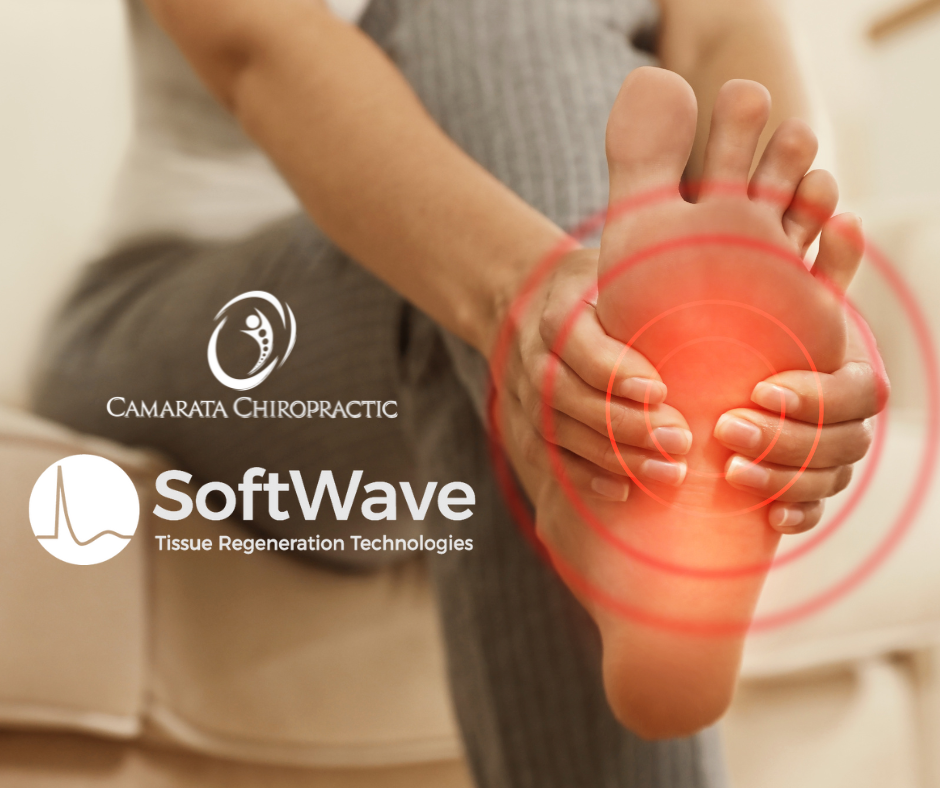
- SoftWave Tissue Regeneration Technology
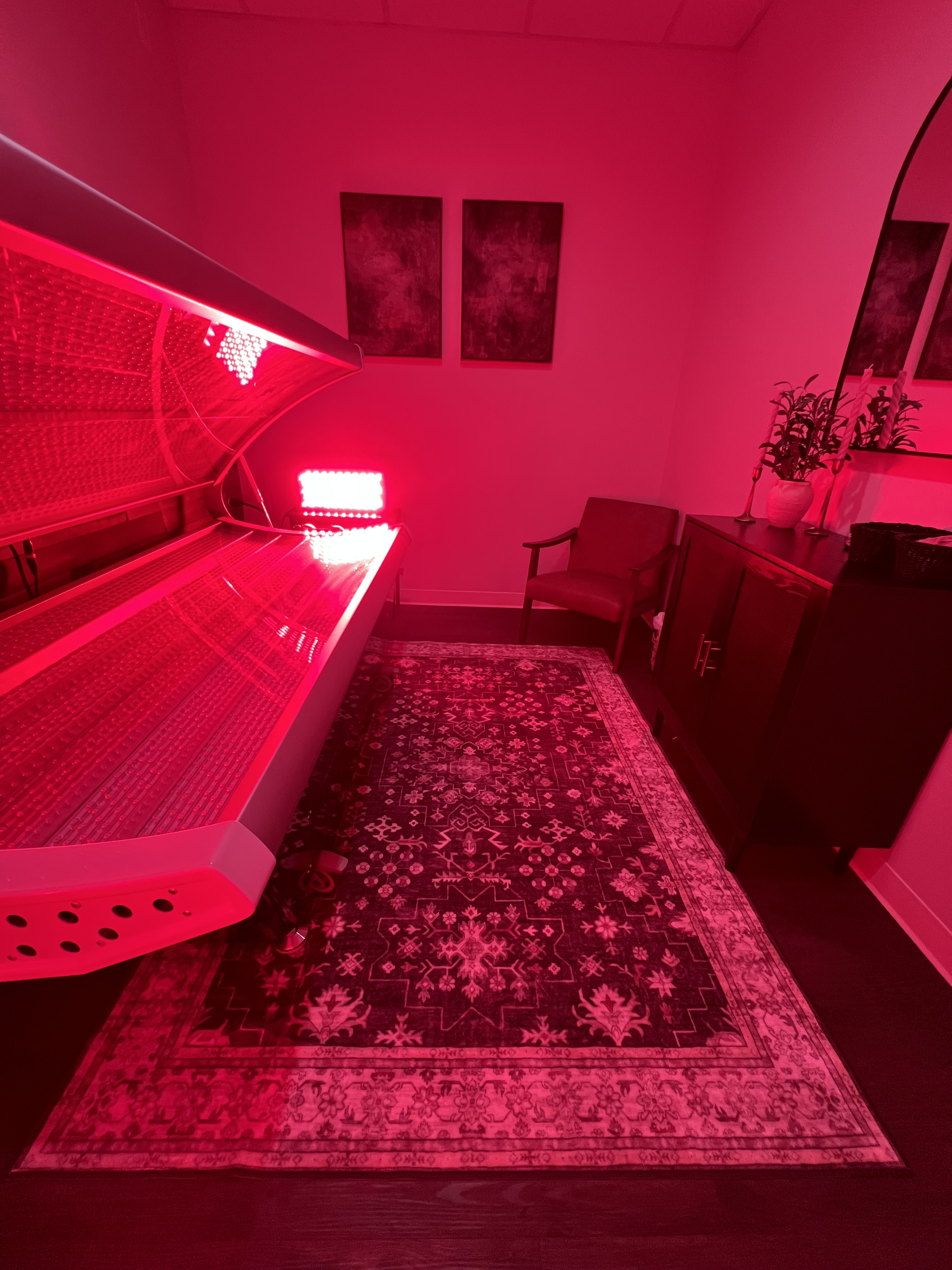
- Full-body red light therapy (photobiomodulation)
- Sauna and heat exposure
- Soft tissue therapies such as IASTM aka fascia release therapy
Work by influencing:
- Blood flow and circulation
- Cellular energy production (mitochondrial ATP)
- Inflammatory pathways
- Tissue repair processes
From a neurological perspective, these therapies also:
- Reduce pain signaling
- Improve tissue feedback to the brain
- Support faster recovery cycles
Key Takeaway
Advanced recovery tools are not just about symptom relief, they enhance the body’s ability to heal and adapt at a cellular and neurological level.
7. Mental Recovery: Managing Cognitive and Emotional Load
Why It Matters
Mental stress is physiological stress.
Chronic cognitive load, pressure, and emotional stress can:
- Keep the body in a sympathetic state
- Increase muscle tension
- Impair focus and decision-making
- Disrupt sleep and recovery
Practices such as:
- Mindfulness
- Prayer and reflection
- Intentional stillness
Help regulate the nervous system and improve mental clarity.
For athletes, this means:
- Better focus under pressure
- Improved reaction time
- Greater emotional control
Key Takeaway
You cannot separate mental recovery from physical performance. A regulated mind supports a regulated body.
The Performance Equation: Train Hard, Recover Smarter
Elite performance is not built solely in the gym, on the field, or in competition.
It is built in the spaces between training sessions.
When the nervous system is:
- Regulated
- Adaptable
- Efficient
The body:
- Moves better
- Recovers faster
- Performs at a higher level
This is the difference between athletes who plateau… and those who continue to evolve.
Performance Is a Nervous System Game
Strength, speed, and skill all matter.
But they are all governed by the same system.
If the nervous system is not recovering, the body is not performing.
Better motion. Better alignment. Better nervous system balance.
Better function. Better performance. Better life.
Get a Hold of Us
Camarata Chiropractic & Wellness
3237 Union St, North Chili, NY 14514
Phone: 585-617-4145
Email: info@camaratachiropractic.com
SoftWave & Regenerative Healing: https://www.naturalhealingroc.com/
Facebook: https://www.facebook.com/camaratachiropractic
Instagram: https://www.instagram.com/camarata_chiro/
New Patient Scheduler Online Here!
The information provided in this article is for educational and informational purposes only and is not intended as medical advice. Content shared on this website is not meant to diagnose, treat, cure, or prevent any condition. Individual health needs and circumstances vary. Always consult with your healthcare provider or speak with our team at Camarata Chiropractic & Wellness before making changes to your health, nutrition, hydration, exercise, or lifestyle routines.
‹ Back





 3237 Union St, North Chili, NY 14514
 (585) 617-4145