
Blog
Breakfast or Intermittent Fasting? The Truth About Skipping Breakfast, Hormones, Fat Loss, and Performance
“Breakfast is the most important meal of the day.”
But then you hear…
“Skip breakfast. Intermittent fasting boosts fat loss and mental clarity.”
So which is it?
The real answer: It depends on your goals, hormones, stress levels, training demands, and lifestyle. What works for your friend, your spouse, or your favorite influencer may not work for you.
Let’s break this down in a practical, science-based way.
First: What Is Intermittent Fasting?
Intermittent fasting (IF) isn’t about what you eat, it’s about when you eat.
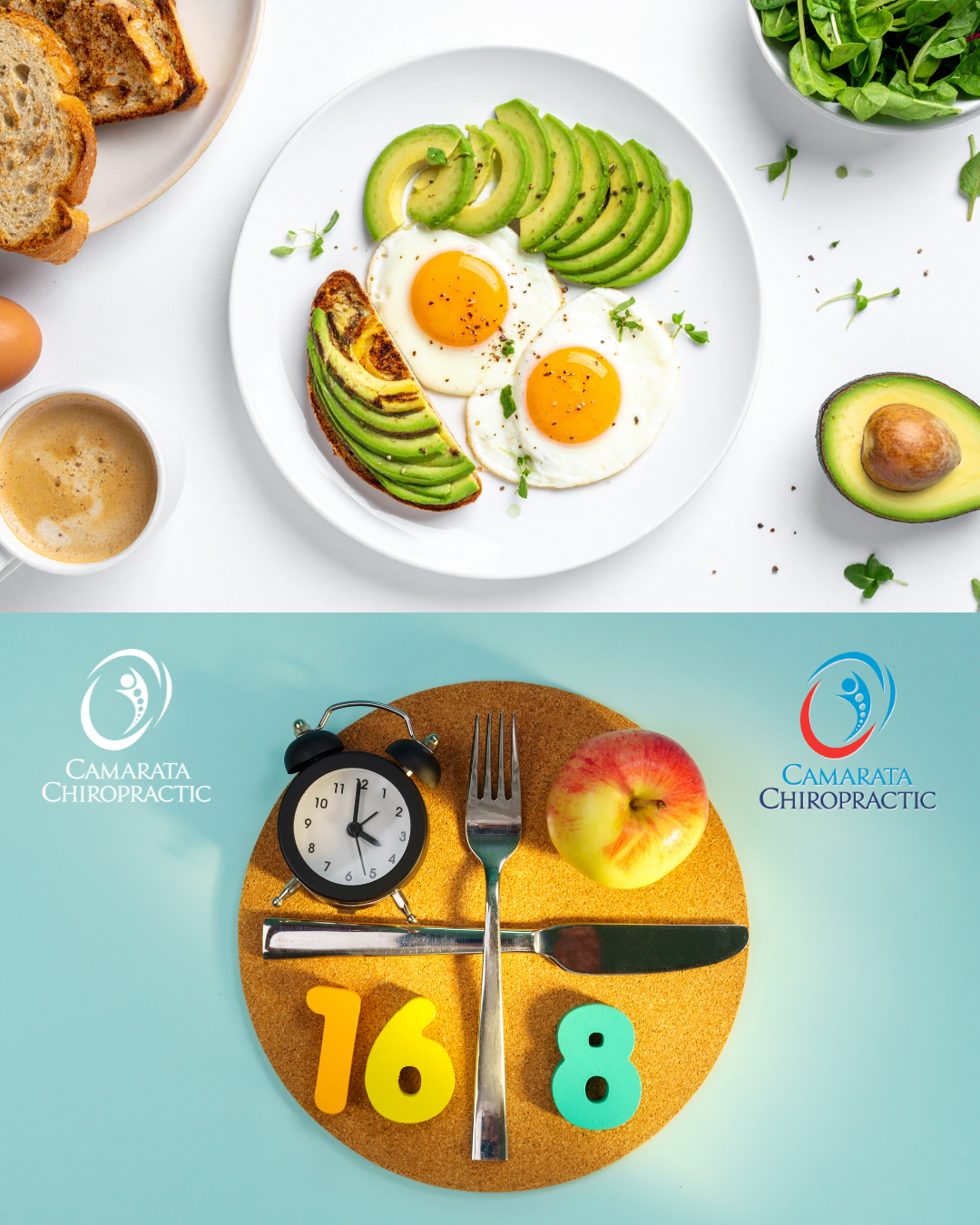
The most common approach is the 16:8 method:
-
16 hours fasting
-
8-hour eating window
Many people skip breakfast and eat from noon to 8 pm.
But is that optimal for everyone?
Not necessarily.
The Benefits of Eating Breakfast
For some people, especially active individuals and high-performers, breakfast can be incredibly beneficial.
Potential Benefits:
1. Improved blood sugar stability
Eating a balanced breakfast with protein, healthy fats, and fiber can reduce cortisol spikes and stabilize energy.
2. Better muscle retention and growth
Protein intake earlier in the day supports muscle protein synthesis, especially important for athletes and aging adults.
3. Hormone support (especially in women)
Women are often more sensitive to caloric restriction and fasting. A nutrient-dense breakfast can support:
-
Thyroid function
-
Progesterone production
-
Cortisol regulation
4. Reduced overeating later
Some people who skip breakfast end up overeating at night.
5. Performance fuel
If you train early in the morning, fasted training may not be ideal for:
-
Strength output
-
Power
-
Recovery
The Benefits of Skipping Breakfast (Intermittent Fasting)
Intermittent fasting also has powerful benefits, when applied to the right person.
Potential Benefits:
1. Improved insulin sensitivity
Fasting periods can improve metabolic flexibility.
2. Fat-burning efficiency
Extended fasting windows encourage the body to utilize stored fat.
3. Autophagy support
Longer fasting windows may support cellular cleanup and longevity pathways.
4. Mental clarity
Many report sharper focus during a fasted state.
5. Simplicity
Fewer meals = easier calorie control for some individuals.
The Hormone Conversation: Men vs Women
This is where things get important.
Men
Men typically tolerate intermittent fasting better due to:
-
Higher baseline testosterone
-
Greater metabolic flexibility
-
Less sensitivity to caloric stress
For many men, fasting can:
-
Improve body composition
-
Support insulin sensitivity
-
Maintain stable energy
But even for men, excessive fasting + high stress + intense training can elevate cortisol too much.
Women
Women are generally more hormonally sensitive to:
-
Caloric restriction
-
Fasting stress
-
Blood sugar swings
Prolonged fasting in some women can contribute to:
-
Thyroid downregulation
-
Irregular cycles
-
Increased cortisol
-
Sleep disruption
That doesn’t mean women cannot fast, but they often do better with:
-
Shorter fasting windows (12–14 hours)
-
Protein-forward breakfasts
-
Cycle syncing strategies
-
Strategic refeeds
Hormone optimization matters more than chasing trends.
It All Comes Down to Goals
Ask yourself:
Are you trying to:
-
Lose body fat?
-
Build muscle?
-
Improve metabolic health?
-
Optimize hormones?
-
Enhance athletic performance?
-
Reduce inflammation?
-
Improve energy?
-
Simplify your routine?
Your answer changes everything.
Example Scenarios:
High-performing athlete training at 6am:
Skipping breakfast may hurt performance and recovery.
Sedentary individual trying to lose 30 pounds:
Time-restricted eating might help control calories.
Busy business owner under high stress:
Adding fasting stress on top of life stress may backfire.
Perimenopausal woman struggling with sleep and thyroid symptoms:
A balanced breakfast may improve hormone stability.
Context matters.
Lifestyle Stress Matters More Than Most People Realize
Fasting is a stressor.
Exercise is a stressor.
Work deadlines are stressors.
Parenting is a stressor.
Lack of sleep is a stressor.
If your stress bucket is already full, adding fasting may:
-
Spike cortisol
-
Increase cravings
-
Impair recovery
-
Slow metabolism
Sometimes eating earlier in the day actually lowers total stress load.
The Middle Ground: There Is No “One Size Fits All”
Some people thrive on:
-
16:8 fasting
-
Black coffee in the morning
-
Two large meals
Others do better with:
-
3 balanced meals
-
30–40g protein at breakfast
-
Stable blood sugar patterns
And some do best cycling between both depending on:
-
Training phase
-
Hormonal phase
-
Work stress
-
Travel
-
Sleep quality
Health is dynamic.
What About Longevity?
There is research suggesting time-restricted eating may support longevity markers.
But muscle mass is also one of the strongest predictors of longevity.
If fasting causes muscle loss, poor recovery, or hormonal dysregulation, it may not be longevity-promoting for you.
Longevity is not about extremes.
It’s about sustainability.
How to Know What Works for You
Instead of asking, “Should I skip breakfast?”
Ask:
-
How is my energy?
-
How is my sleep?
-
How is my mood?
-
How is my performance?
-
How is my body composition?
-
How is my cycle (for women)?
-
How is my recovery?
Track data.
Pay attention to feedback.
Adjust accordingly.
The Bottom Line
Breakfast is not magical.
Fasting is not magical.
Your biology is unique.
Hormones matter.
Stress matters.
Goals matter.
Lifestyle matters.
What works for someone else may not work for you, and that’s okay.
The goal isn’t to follow a trend.
The goal is metabolic flexibility, hormonal stability, performance, recovery, and long-term sustainability.
If you want optimal health, stop asking what’s popular, and start asking what supports your body best.
Because nutrition is not about rigid rules.
It’s about personalized strategy.
Get a Hold of Us
If you’re unsure whether eating breakfast or intermittent fasting is right for your body, hormones, goals, and lifestyle, we’re here to help you create a personalized strategy.
At Camarata Chiropractic & Wellness, we look at the whole picture, nervous system health, stress load, recovery, inflammation, performance, and nutrition, so you can make decisions that support long-term results, not short-term trends.
3237 Union St, North Chili, NY 14514
Phone: 585-617-4145
Email: info@camaratachiropractic.com
Facebook: https://www.facebook.com/camaratachiropractic
Instagram: https://www.instagram.com/camarata_chiro/
Call, text, or schedule online, let’s build a plan that fits you.
New Patient Scheduler Online Here!
The information provided in this article is for educational and informational purposes only and is not intended as medical advice. Content shared on this website is not meant to diagnose, treat, cure, or prevent any condition. Individual health needs and circumstances vary. Always consult with your healthcare provider or speak with our team at Camarata Chiropractic & Wellness before making changes to your health, nutrition, hydration, exercise, or lifestyle routines.
‹ Back
Recent Posts
-
-
-
Your Child's First Chiropractic Visit: What Parents Can Expect
August 26, 2026
-
Red Light Therapy vs Tanning Beds: What Is Actually Different
August 22, 2026
-


 3237 Union St, North Chili, NY 14514
 (585) 617-4145