
Blog
Growth Spurts and the Clumsy Phase: Helping Kids Through Fast Growth

One day your kid is moving smoothly through life. Six months later, they are tripping over their own feet, knocking over glasses, and complaining that their knees and heels ache.
If that sounds familiar, you may be watching a growth spurt in action.
Growth spurts are an exciting milestone, but they can be a confusing time for kids' bodies, especially for young athletes. Here is what is happening and how to help.
When Growth Spurts Happen
Kids grow fastest in infancy, then again during adolescence. The adolescent growth spurt typically starts around ages 10 to 12 for girls and 12 to 14 for boys, though every child is different.
During peak growth, kids can gain several inches in a year. That is a lot of change for a body to adapt to in a short time.
Why Kids Get Clumsy
Here is the key: bones tend to grow first, and the muscles, tendons, and the brain's internal map of the body need time to catch up.
Your child's brain has a detailed sense of where every limb is in space. When legs suddenly get longer, that map is temporarily out of date. Coordination, balance, and timing can all feel off for a while.
That is why a young athlete who was smooth and skilled last season might suddenly look awkward. It is not a lack of effort. Their body is literally recalibrating.
Some researchers call this "adolescent awkwardness," and it is a normal, temporary phase.
Why They Feel Tight
As bones lengthen, the muscles and tendons attached to them are pulled tighter until they adapt. Many kids lose flexibility during growth spurts, especially in the hamstrings, hip flexors, quads, and calves.
That tightness puts extra tension on the growth plates where those tendons attach, which leads to some of the most common growth-related complaints.
Common Growth-Related Aches
- Osgood-Schlatter: pain and a tender bump just below the kneecap, common in active kids
- Sever's disease: heel pain at the growth plate, especially in soccer and basketball players
- Sinding-Larsen-Johansson syndrome: pain at the bottom of the kneecap
- Back pain from tight hamstrings and hip flexors pulling on the pelvis
- Classic "growing pains": achy legs at night, usually in both legs, with no limp or swelling during the day
Most of these are manageable with smart load management and attention to flexibility and strength.
How to Support Your Child
- Be patient with the clumsiness. Reassure them it is temporary.
- Prioritize flexibility work. Gentle, regular stretching for the hamstrings, hip flexors, quads, and calves.
- Keep building strength and balance. Bodyweight strength, balance drills, and coordination games help the brain catch up.
- Adjust training load. During rapid growth, kids may need a bit less volume, especially jumping and sprinting.
- Protect sleep. Growth hormone is released largely during deep sleep. Growing kids need 9 to 11 hours depending on age.
- Feed the growth. Enough calories, protein, calcium, and vitamin D matter during these years.
- Watch for shoe fit. Feet grow fast, and tight shoes contribute to heel and foot problems.
Is your child dealing with growth-related aches or struggling with a sudden change in coordination? Book a pediatric visit online here. Young athletes and coaches can also learn about our sports program at camaratachiropractic.com/sports.
Where Pediatric Chiropractic Fits
Pediatric and adolescent chiropractic care is gentle and tailored to a child's age and size.
During growth spurts, our focus includes:
- Checking how the spine, pelvis, hips, knees, and feet are moving as the body changes
- Addressing restrictions that add tension to growth plates or create compensations
- Flexibility and strength programs tailored to the child and their sport
- Balance and coordination drills to help the brain catch up with the body
- Guidance for parents and coaches on managing training during rapid growth
- Scoliosis screening, since growth spurts are when curves are most likely to appear or progress
When to Have Your Child Evaluated
- Pain in only one leg, or pain that causes a limp
- Swelling, redness, or warmth over a joint or bone
- Pain during the day that limits activity, not just at night
- Pain with fever, weight loss, or fatigue
- Pain that wakes them up regularly or is getting worse
- Back pain that is persistent or severe
Typical growing pains occur in both legs, usually in the evening or at night, and the child is fine and active during the day. Anything outside that pattern deserves a closer look.
Common Questions
Should my child stop playing sports during a growth spurt?
Usually not. Most kids do well with some adjustments to training volume, especially jumping and sprinting, plus attention to flexibility and strength.
Do growing pains mean something is wrong?
Classic growing pains, achy legs at night in both legs with a child who is fine during the day, are common and harmless. Pain outside that pattern deserves a look.
How long does the clumsy phase last?
It varies, but it usually settles within months as the body and brain catch up.
Are growth spurts linked to back pain in teens?
They can be. Tight hamstrings and hip flexors during rapid growth pull on the pelvis and low back. Persistent back pain in a teen athlete should be checked.
A Temporary Phase
Growth spurts can be frustrating, especially for kids who suddenly feel less coordinated in the sports they love. But with patience, smart training, and a little support, they come out the other side bigger, stronger, and often better athletes.
We love helping kids and families across North Chili, Chili, Churchville, Spencerport, and greater Rochester through every stage of growing up.
Get a Hold of Us
If you are ready to move better, feel better, and recover faster, our team at Camarata Chiropractic & Wellness is here to help.
New Patient Scheduler Online Here!
Camarata Chiropractic & Wellness
3237 Union Street
North Chili, NY 14514
Follow Us:
Facebook: Camarata Chiropractic & Wellness
Instagram: @camarata_chiro
‹ Back
Recent Posts
-
Growth Spurts and the Clumsy Phase: Helping Kids Through Fast Growth
November 10, 2026
-

Red Light Therapy for Neck and Shoulder Tension
November 7, 2026
-
-
10 Simple Health & Wellness Habits to Feel Your Best This November!
November 4, 2026
-
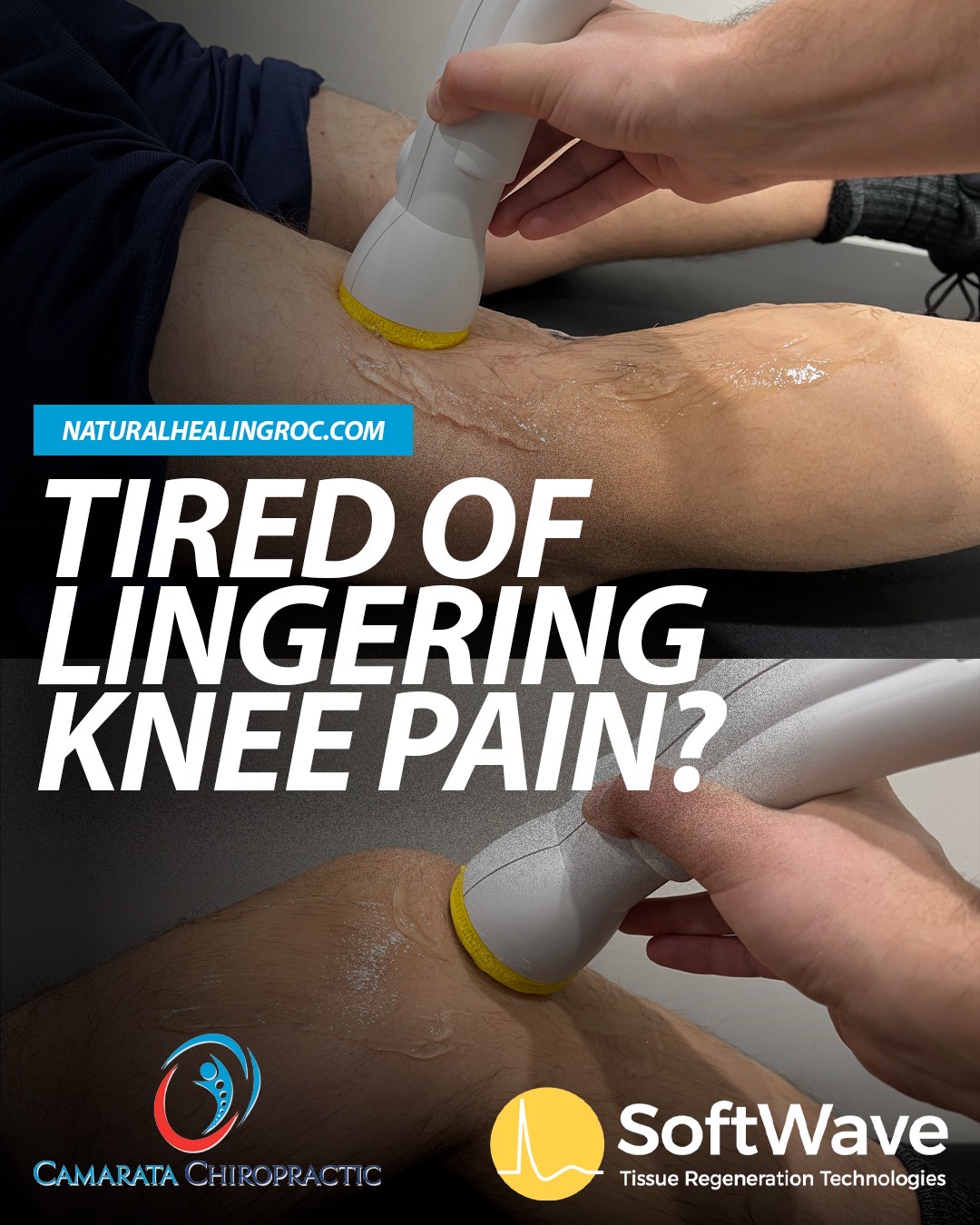
SoftWave for Arthritic Knees and Hands When the Cold Sets In
November 4, 2026


 3237 Union St, North Chili, NY 14514

 (585) 617-4145