

Blog
What Is Fascia, and Why Is It One of the Most Important (and Overlooked) Systems in the Human Body?
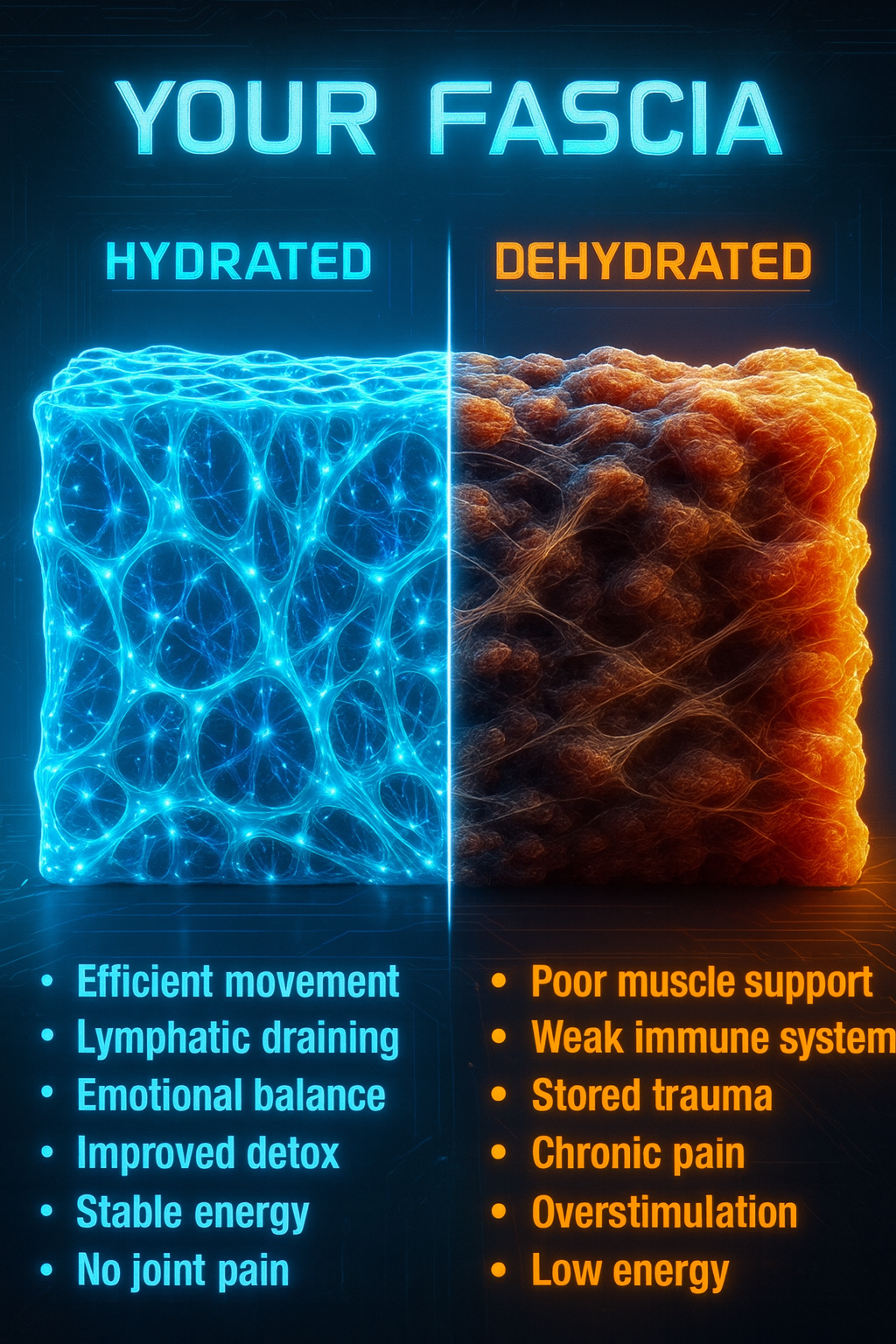
If you struggle with chronic tightness, stiffness, pain, limited mobility, or recurring injuries, the issue may not be the muscle or joint itself, it may be fascia.
Fascia is one of the most critical yet misunderstood systems in the human body. It connects everything, influences how you move, and plays a major role in pain, posture, performance, and healing.
At Camarata Chiropractic, we see fascia as the missing link in long-term healing.
What is fascia?
Fascia is a continuous, three-dimensional connective tissue network that surrounds and interconnects:
-
Muscles
-
Bones
-
Joints
-
Organs
-
Blood vessels
-
Nerves
Rather than being separate layers, fascia forms one uninterrupted system from head to toe. This is why pain often shows up far from the true source of dysfunction.
Why does fascia become tight, painful, or restricted?
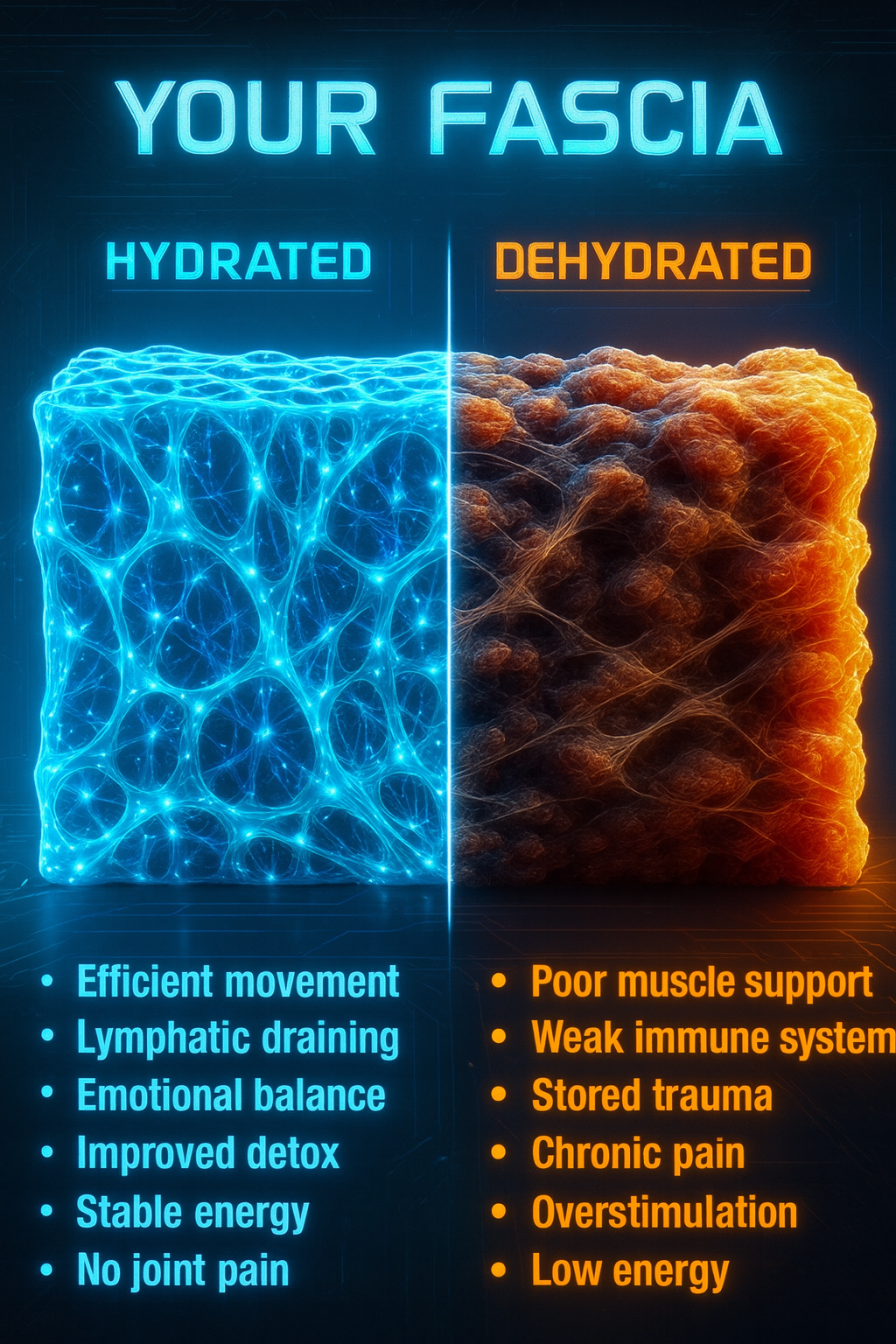
Healthy fascia is hydrated, elastic, and adaptable. Dysfunctional fascia becomes stiff, sticky, and dehydrated.
Common causes of fascial restriction include:
-
Poor posture
-
Prolonged sitting or repetitive movement
-
Stress and shallow breathing
-
Past injuries or surgeries
-
Dehydration and mineral imbalance
-
Inflammation from poor nutrition
Over time, restricted fascia alters movement patterns, increases joint stress, compresses nerves, and contributes to chronic pain.
Can fascia cause pain even when imaging looks “normal”?
Yes. Fascia does not show up well on traditional imaging, yet it is one of the most common drivers of chronic pain.
Many people are told “everything looks normal” while still experiencing symptoms because fascia dysfunction is often missed.
How do chiropractic adjustments affect fascia?
Chiropractic adjustments do more than move bones.
When a joint moves properly:
-
Fascia surrounding the joint remodels
-
Muscle tone normalizes
-
Nervous system signaling improves
-
Movement efficiency increases
Chiropractic adjustments help restore proper alignment, motion and nervous system integrity, which directly influences fascial health throughout the body.
How does SoftWave Therapy support fascia and healing?
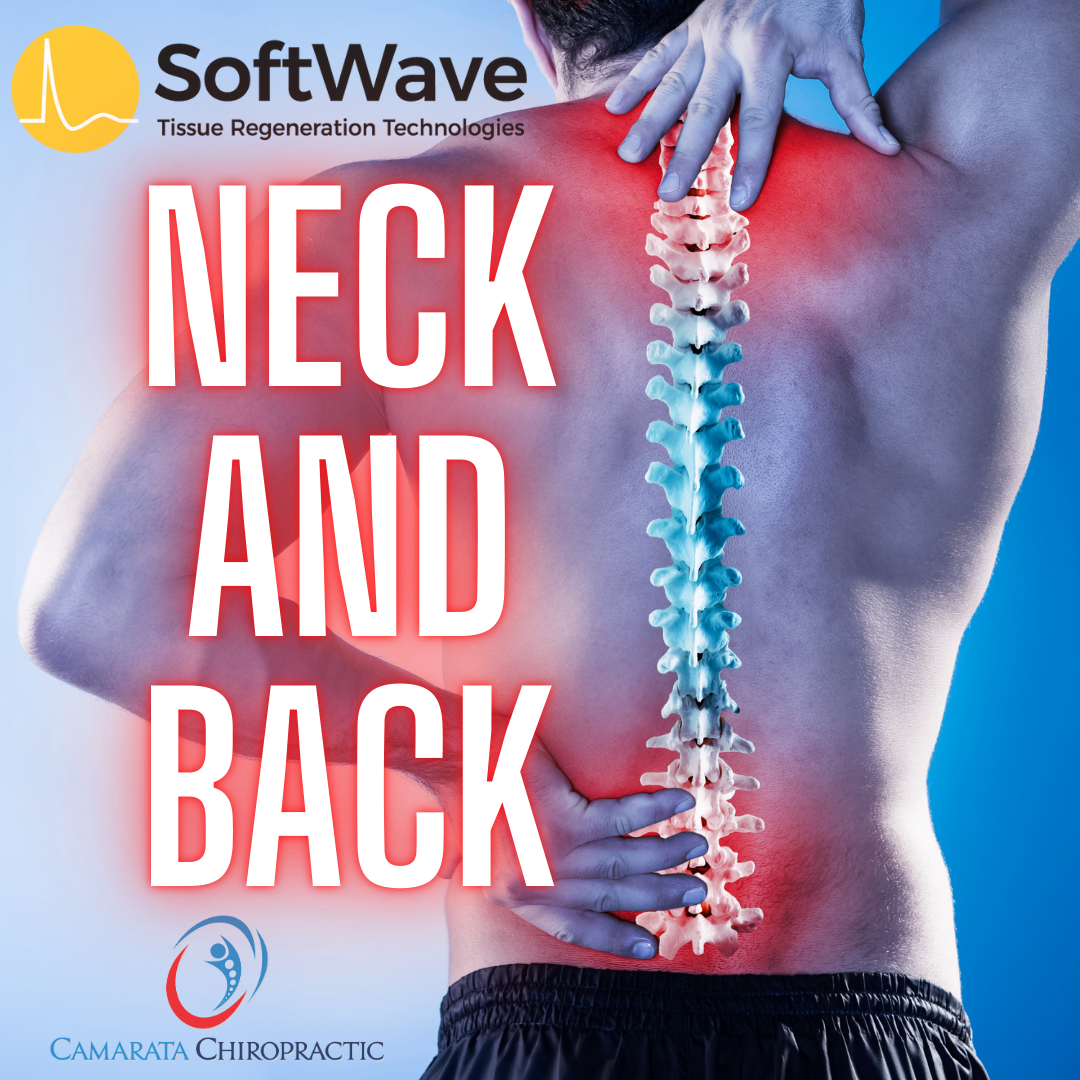
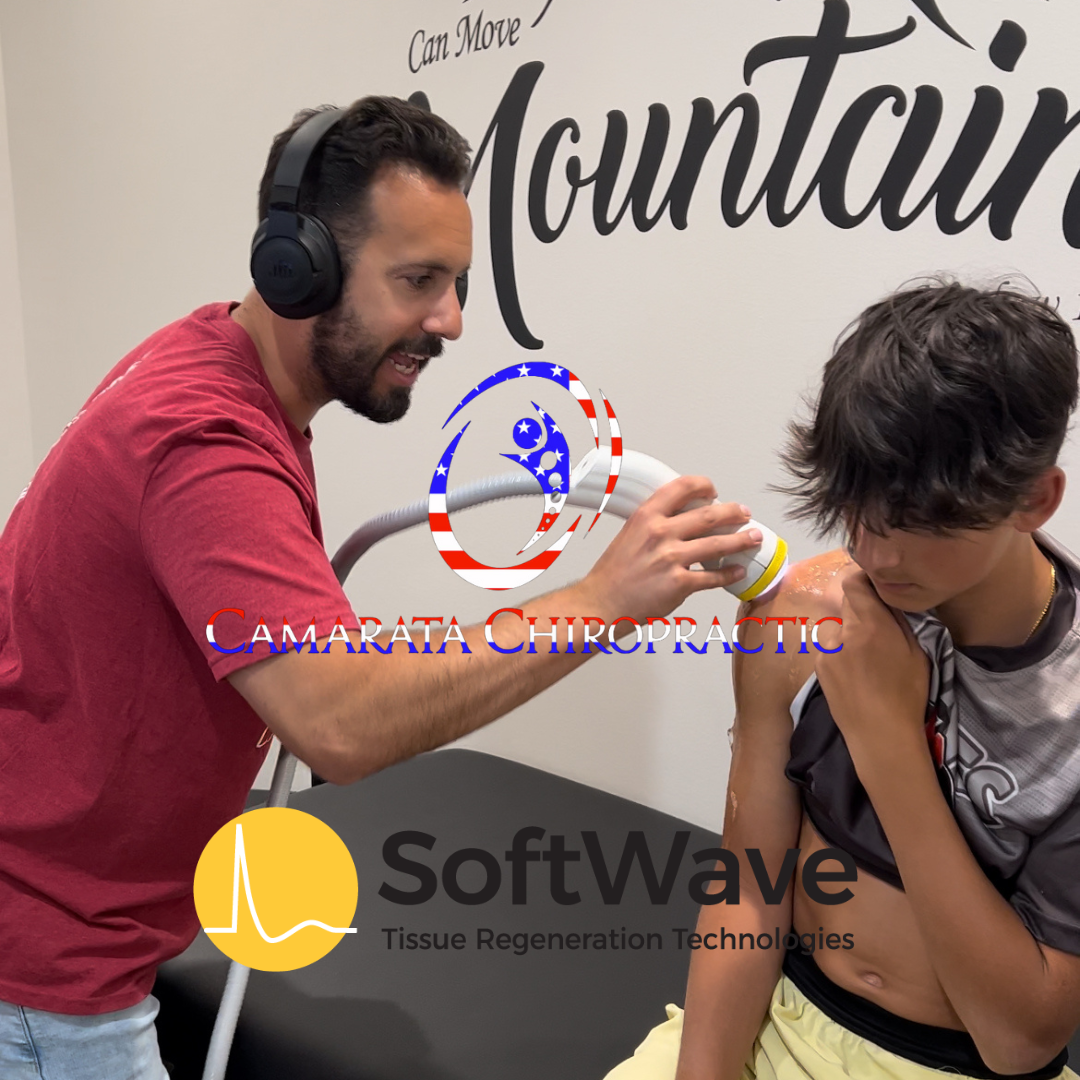
SoftWave Therapy uses broad-focused acoustic waves to stimulate cellular and tissue-level healing.
SoftWave Therapy helps fascia by:
-
Improving circulation and oxygen delivery via neoangiogenesis
-
Stimulating mechanotransduction for deep cellular and biological healing
-
Supporting tissue remodeling
-
Modulation of deep trapped inflammation and cellular renewal via "flushing" of senescent cells
-
Enhancing tissue regeneration via resident stem cell activation and migration
This makes SoftWave Therapy an excellent tool for stubborn fascial pain, chronic injuries, and slow-healing conditions.
What is IASTM and fascia release therapy?
IASTM (Instrument Assisted Soft Tissue Mobilization) is a targeted form of fascia release therapy.
It helps by:
-
Identifying fascial adhesions
-
Breaking up scar tissue
-
Restoring glide between tissue layers
-
Improving mobility and range of motion
IASTM is especially effective when combined with chiropractic adjustments and corrective movement.
Why exercise and movement are essential for healthy fascia
Fascia thrives on varied, multi-directional movement.
Healthy movement:
-
Hydrates fascia
-
Improves elasticity
-
Prevents tissue stiffening
-
Enhances proprioception
Static stretching alone is often not enough. Controlled strength training, mobility work, walking, and functional movement patterns are essential for long-term fascial health.
How does whole body vibration therapy help fascia?
Whole body vibration therapy stimulates:
-
Muscle contractions
-
Neuromuscular activation
-
Circulation and lymphatics
-
Fascial responsiveness
This therapy helps “wake up” the fascial system and improve movement efficiency, especially in individuals with stiffness, weakness, or neurological inhibition.
Why hydration and electrolytes matter for fascia
Fascia is highly dependent on hydration.
Without proper hydration and minerals:
-
Fascia becomes sticky and brittle
-
Tissue glide decreases
-
Pain and stiffness increase
Dr. Sam emphasizes electrolyte balance, not just water intake. He personally recommends mineral-rich options such as Baja Gold Mineral Sea Salt to support proper hydration and cellular function.
How does deep breathing influence fascia and pain?
Fascia responds directly to breathing mechanics.
Deep diaphragmatic breathing:
-
Reduces nervous system stress
-
Improves rib cage and spinal mobility
-
Hydrates fascial tissue
-
Decreases muscle guarding
Shallow breathing patterns are strongly associated with chronic tension and pain.
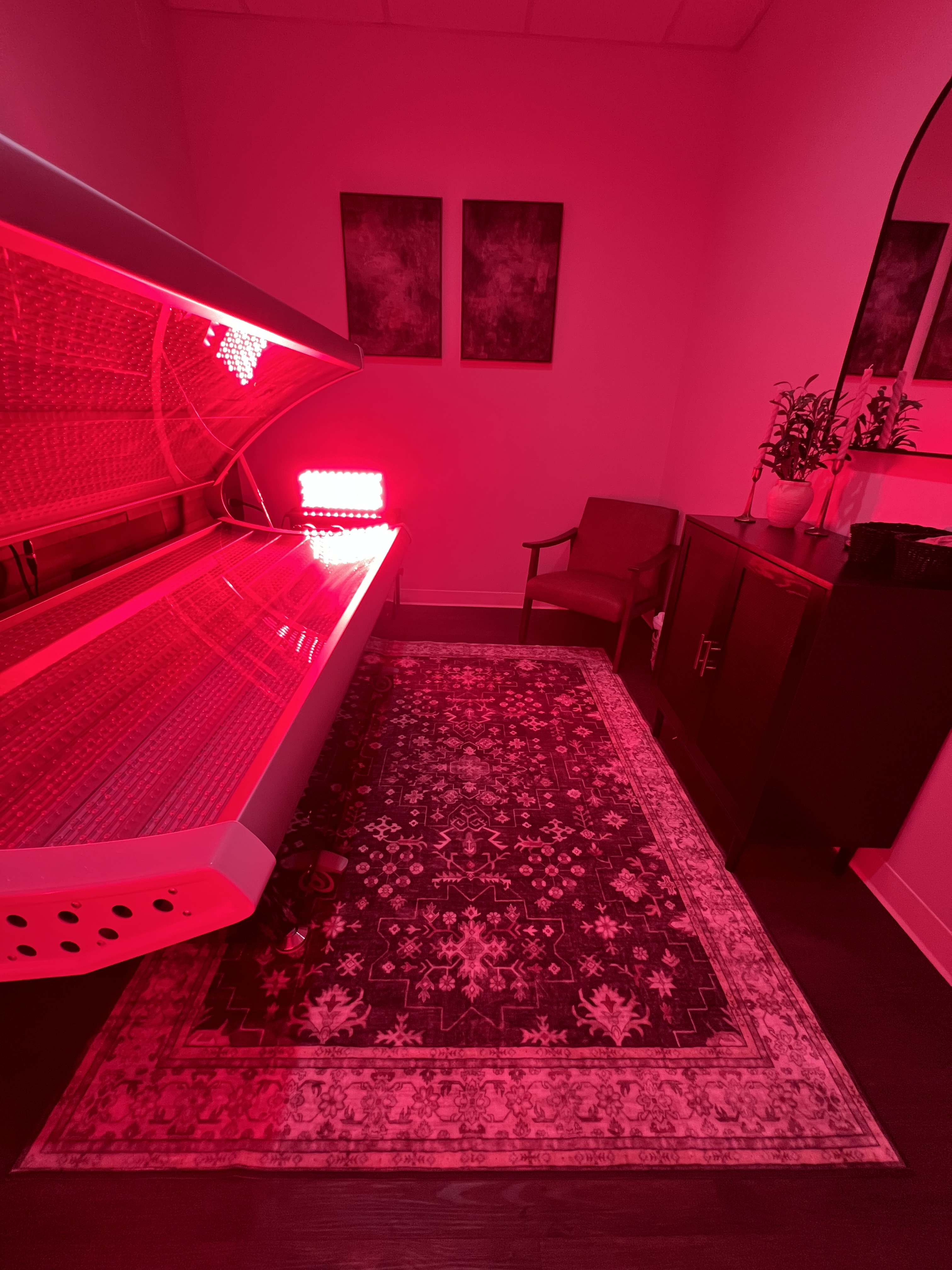
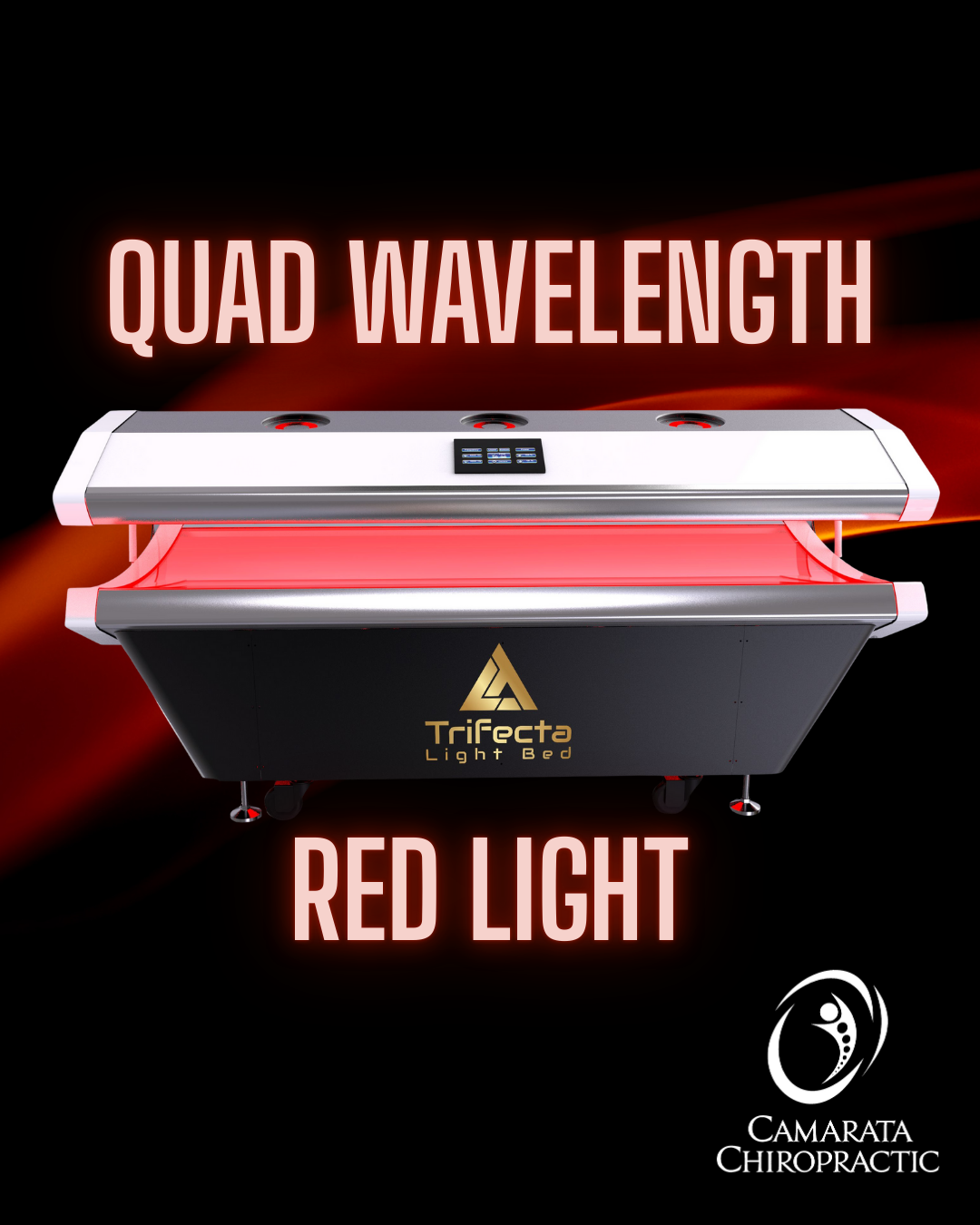
Can red light therapy improve fascia?
Yes.
Red light therapy helps by:
-
Supporting mitochondrial function
-
Reducing inflammation
-
Enhancing tissue repair
Both therapies support the healing environment fascia needs to remodel properly.
What role does nutrition play in fascial health?
Chronic inflammation degrades fascia.
Anti-inflammatory nutrition focuses on:
-
High-quality protein for tissue repair
-
Omega-3 fatty acids
-
Antioxidant-rich vegetables
-
Reducing processed foods and excess sugar
-
Supporting gut health
Nutrition provides the raw materials fascia needs to heal.
Why a whole-body approach matters for fascia
Fascia does not respond well to isolated treatment.
At Camarata Chiropractic, we take a whole body approach, combining:
-
Chiropractic adjustments
-
SoftWave Therapy
-
IASTM fascia release therapy
-
Corrective exercise and movement
-
Whole body vibration therapy
-
Hydration and electrolyte support
-
Breath work and nervous system regulation
-
Red light therapy
-
Anti-inflammatory nutrition guidance
This approach addresses the root cause, not just symptoms.
Who provides fascia-focused care in our office?
Dr Sam Camarata owner of Camarata Chiropractic works alongside his team of chiropractors in Chili, Dr. Brian Dickinson and Dr. Joe Carroll to deliver comprehensive, individualized care rooted in movement, nervous system health, and tissue regeneration.
We proudly serve patients from Chili, North Chili, Churchville, Spencerport, and throughout Monroe County, NY and beyond Rochester, NY.
Fascia Is the Foundation of Movement and Healing
Fascia is not passive packing material, it is a living, adaptive system that determines how you move, feel, and heal.
When fascia is healthy, the body moves freely.
When fascia is restricted, pain becomes persistent.
Healing fascia requires intention, movement, hydration, nervous system balance, and the right therapeutic tools.
If you are searching for a chiropractor near me who understands fascia at a deeper level, our team is here to help.
Get a Hold of Us
If you’re dealing with chronic pain, tightness, stiffness, or limited mobility and want a whole-body approach to healing, our team is here to help.
At Camarata Chiropractic in North Chili, we combine chiropractic, fascia release therapies, SoftWave Therapy, movement strategies, and lifestyle-based wellness tools to help you get to the root cause, not just manage symptoms.
Address:
3237 Union Street
North Chili, NY 14514
Phone:
585-617-4145
Email:
info@camaratachiropractic.com
Websites:
https://www.camaratachiropractic.com
https://www.naturalhealingroc.com
Follow Us on Social Media:
Facebook: https://www.facebook.com/camaratachiropractic
Instagram: https://www.instagram.com/camarata_chiro/
Serving patients from Chili, North Chili, Churchville, Spencerport, and all of Monroe County, NY communities and beyond Rochester, NY.
If you’re searching for a chiropractor near me who takes a comprehensive, modern, and results-driven approach to healing, we’d love to connect with you.
New Patient Scheduler Online! Click Here!
‹ Back
Recent Posts
-
-
-
Your Child's First Chiropractic Visit: What Parents Can Expect
August 26, 2026
-
Red Light Therapy vs Tanning Beds: What Is Actually Different
August 22, 2026
-


 3237 Union St, North Chili, NY 14514
 (585) 617-4145