
Blog
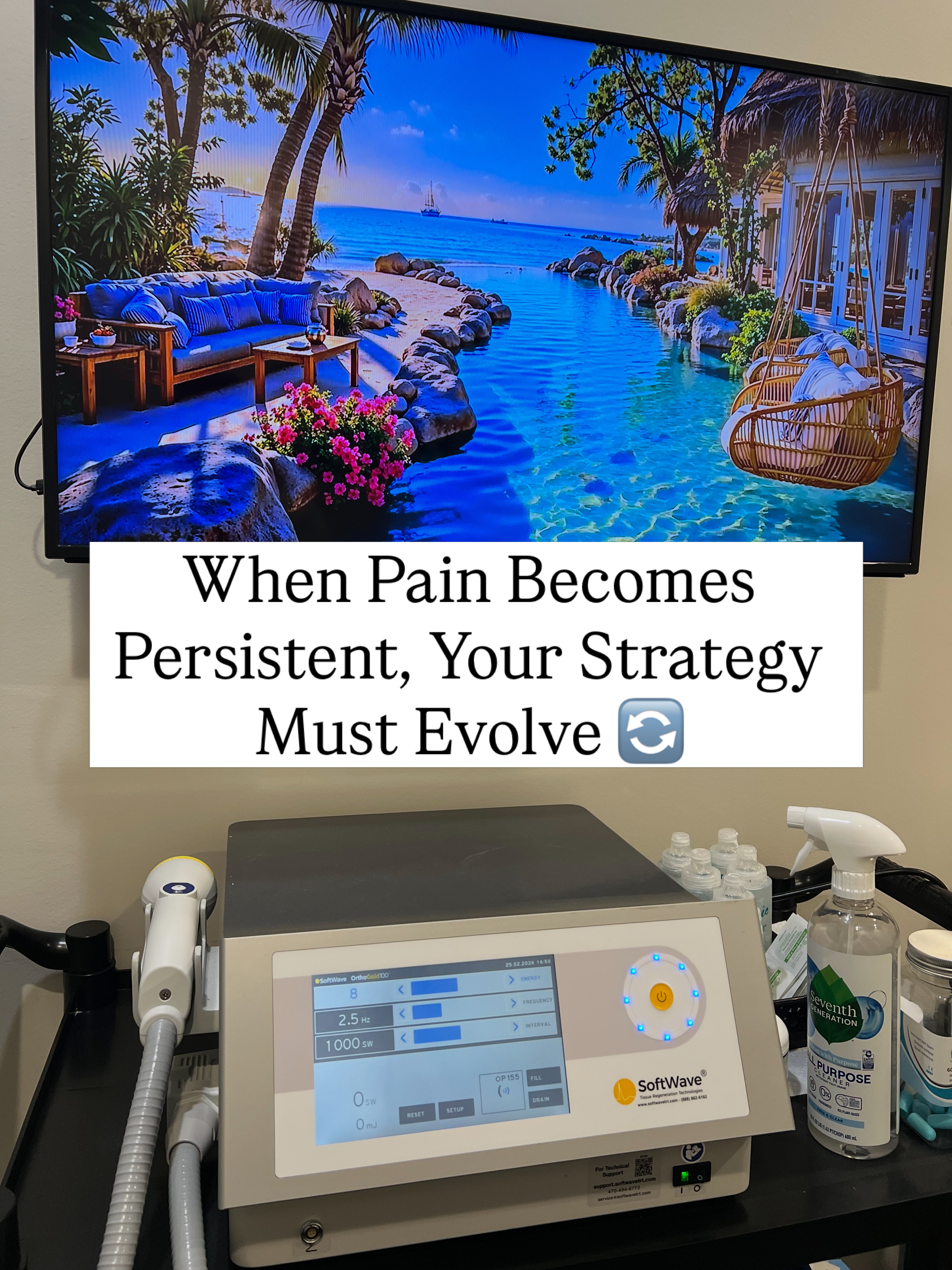
When Pain Becomes Persistent, Your Strategy Must Evolve
Most people view persistent pain through a simple lens:
“If it still hurts, something must still be damaged.”
Clinically, this assumption is often incomplete.
While acute injuries involve clear structural stress, lingering or chronic pain typically reflects a more complex picture involving tissue healing, neurological signaling, biomechanics, and inflammatory regulation. Understanding this distinction is critical for achieving lasting results rather than temporary relief.
Persistent pain is rarely just about where it hurts. It is about how well the body is adapting, repairing, and functioning.
Persistent Pain Is Often a Healing and Adaptation Problem
In many cases, tissues have already healed structurally, yet symptoms remain. This occurs because pain is not generated solely by damaged tissue. Pain is influenced by:
-
Neurological signaling and sensitivity
-
Mechanical stress and compensation patterns
-
Circulation and metabolic activity
-
Inflammatory processes
-
Tissue repair efficiency
When these systems are not fully restored, the body may remain in a cycle of irritation, guarding, and recurrent symptoms.
This explains why rest, stretching, medications, or passive treatments often produce temporary relief without long-term resolution.
The strategy must evolve from symptom management to functional restoration and tissue recovery.
Why Traditional Approaches Often Plateau
Persistent pain frequently involves:
Altered Neurological Signaling
The nervous system may remain sensitized long after the initial injury. This can amplify discomfort even when structural damage is minimal.
Mechanical Compensation
When one joint or tissue loses optimal function, surrounding structures compensate. Compensation may temporarily preserve movement but often increases stress elsewhere.
Sluggish Tissue Repair
Poor circulation, metabolic inefficiency, or chronic inflammation can slow the body’s ability to fully recover.
Ongoing Inflammatory Irritation
Inflammation is necessary for healing, but dysregulated inflammation can perpetuate symptoms.
Addressing only one of these components rarely produces lasting change.
SoftWave Therapy: Supporting the Body’s Repair Mechanisms
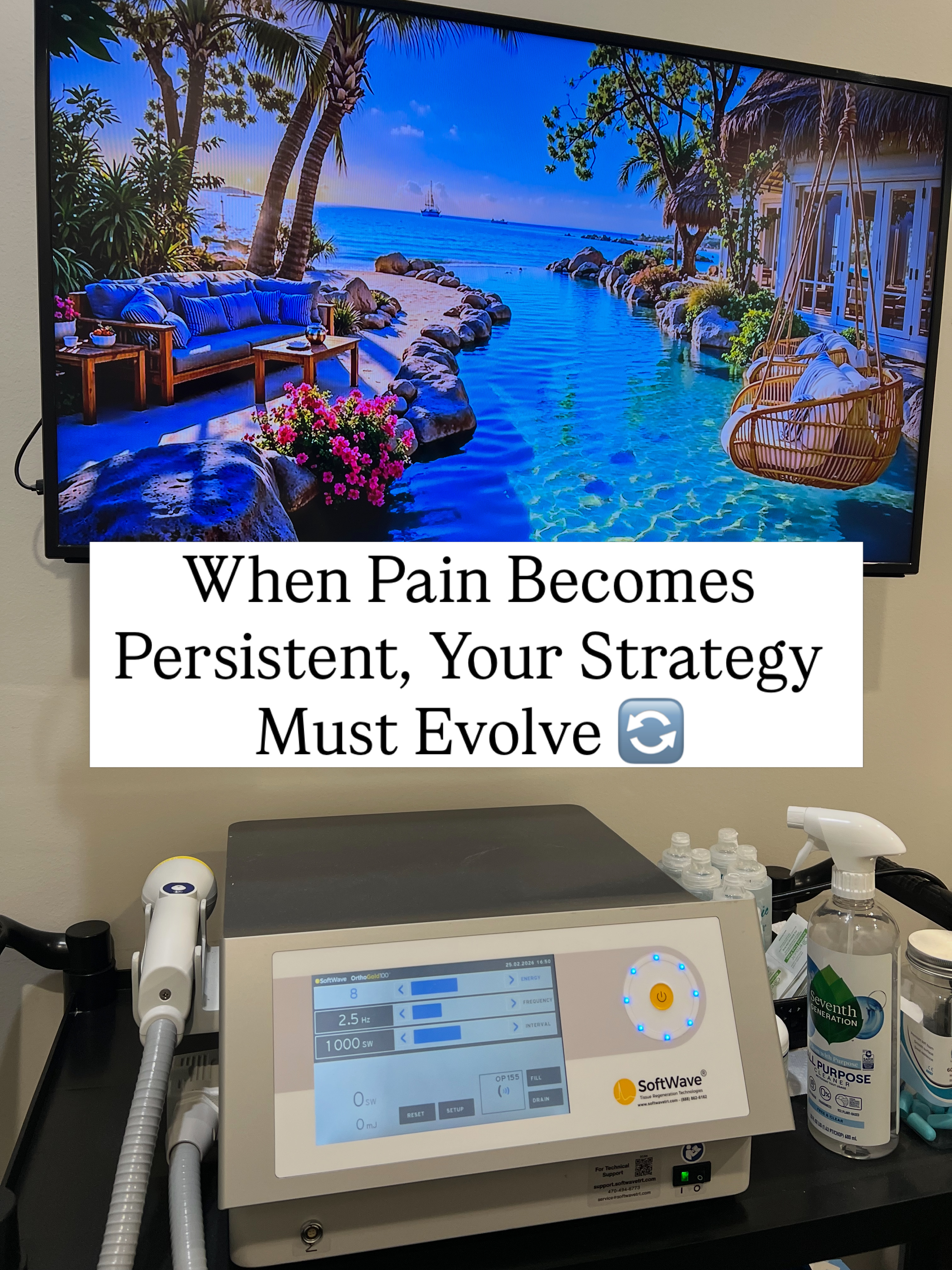
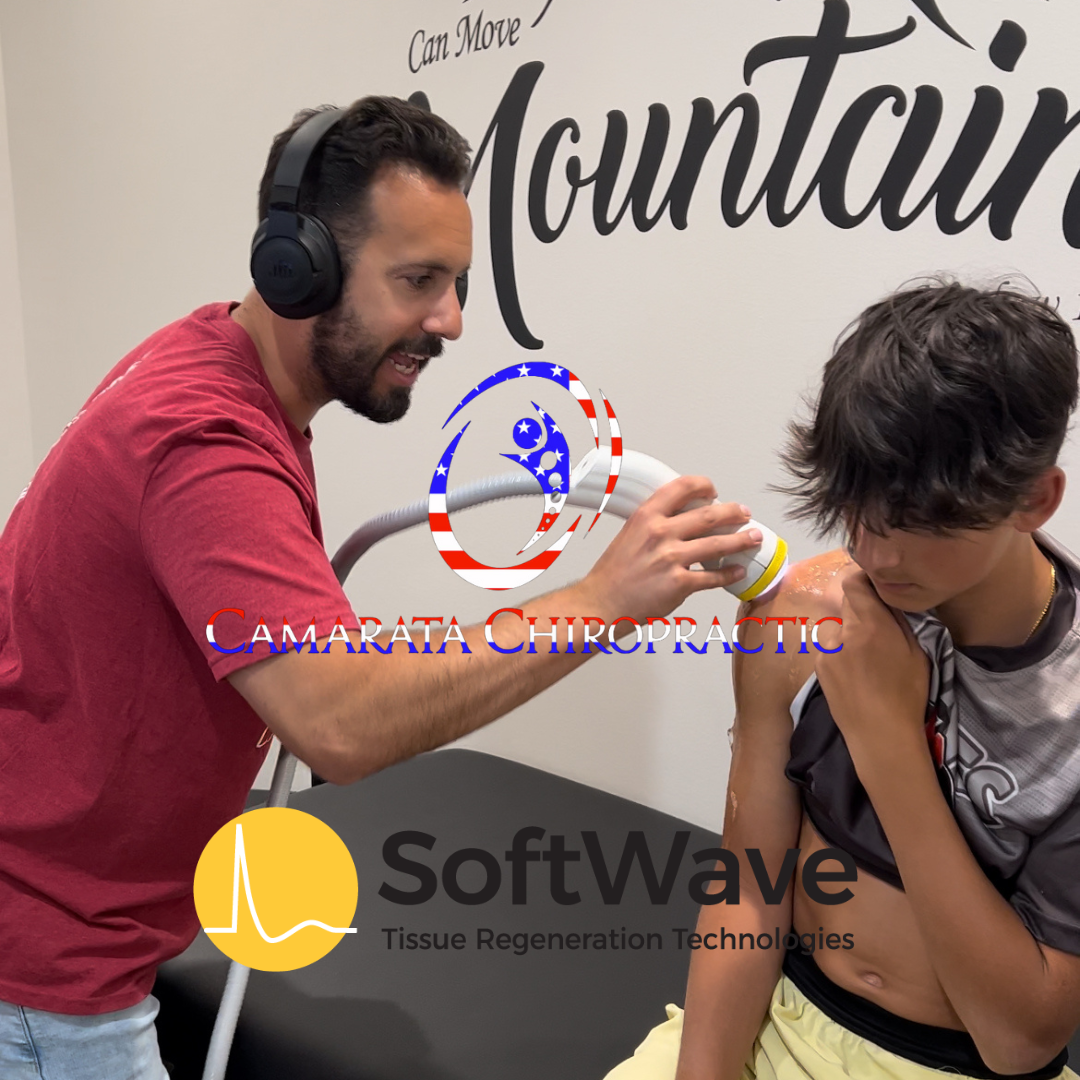
SoftWave Tissue Regeneration Therapy represents a fundamentally different approach.
Rather than masking symptoms, SoftWave Therapy works by stimulating biological responses linked to tissue repair and recovery.
SoftWave delivers a broad-focused energy wave designed to support:
-
Microcirculation and blood flow
-
Cellular repair mechanisms
-
Tissue regeneration responses
-
Inflammatory modulation
-
Neurological signaling balance
This approach targets why pain persists, not simply where pain is felt.
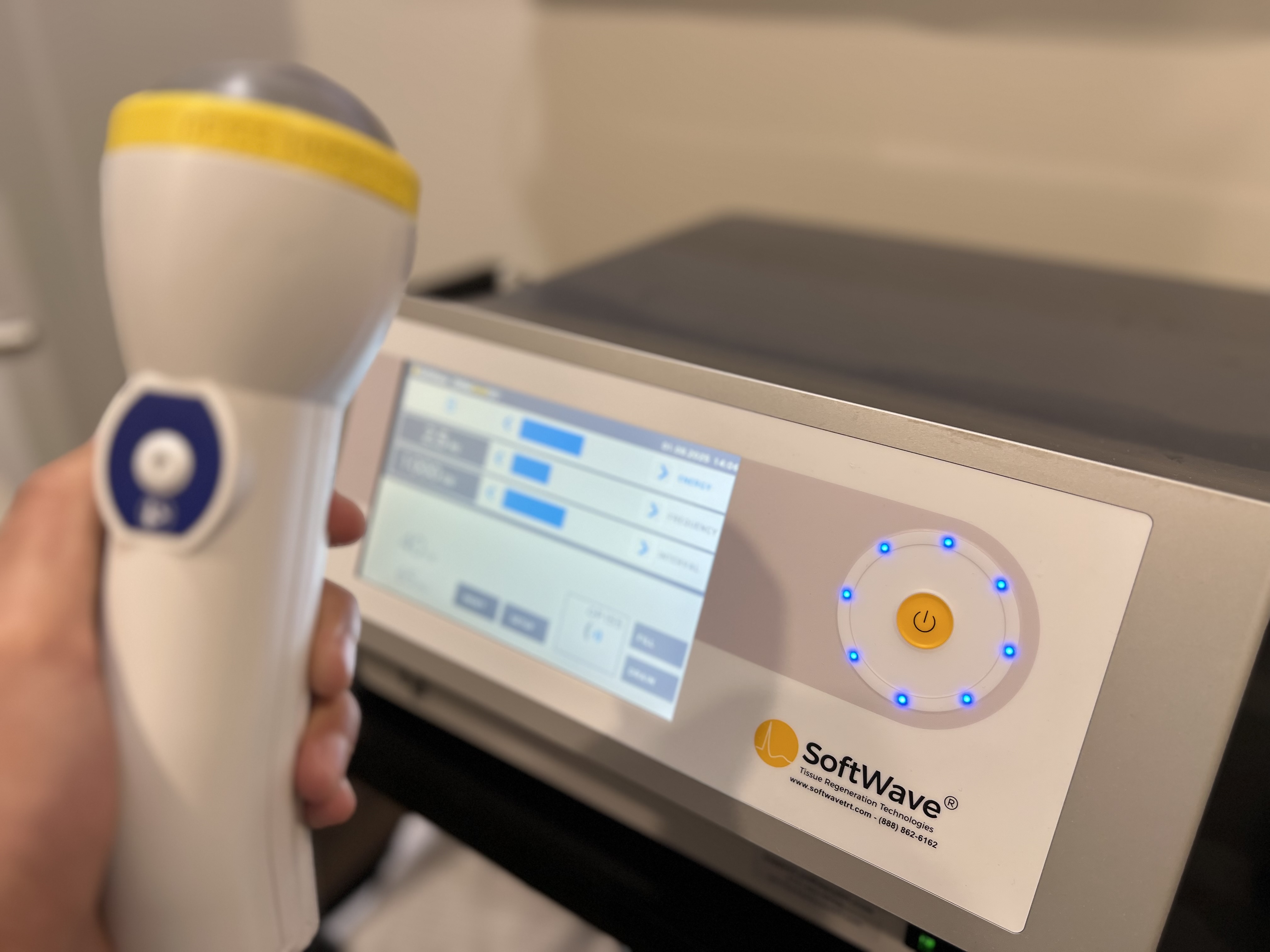
Conditions Commonly Addressed with SoftWave Therapy
Because SoftWave Therapy supports tissue healing and cellular recovery, it is commonly integrated for a wide range of musculoskeletal complaints, including:
Plantar Fasciitis
Chronic foot pain often reflects persistent inflammatory irritation and tissue stress. SoftWave Therapy helps stimulate repair responses within the fascia.
Tendonitis and Tendinopathies
Tendon injuries frequently involve poor circulation and slow healing. SoftWave Therapy supports cellular activity within stressed tendons.
Shoulder Pain and Rotator Cuff Irritation
Shoulder symptoms often involve both mechanical dysfunction and tissue irritation. SoftWave Therapy complements biomechanical correction.
Knee Pain
Whether driven by overuse, degeneration, or compensation, knee discomfort commonly benefits from enhanced tissue recovery.
Hip Pain
Hip irritation often develops gradually through mechanical stress and muscular imbalance. Tissue regeneration support becomes essential.
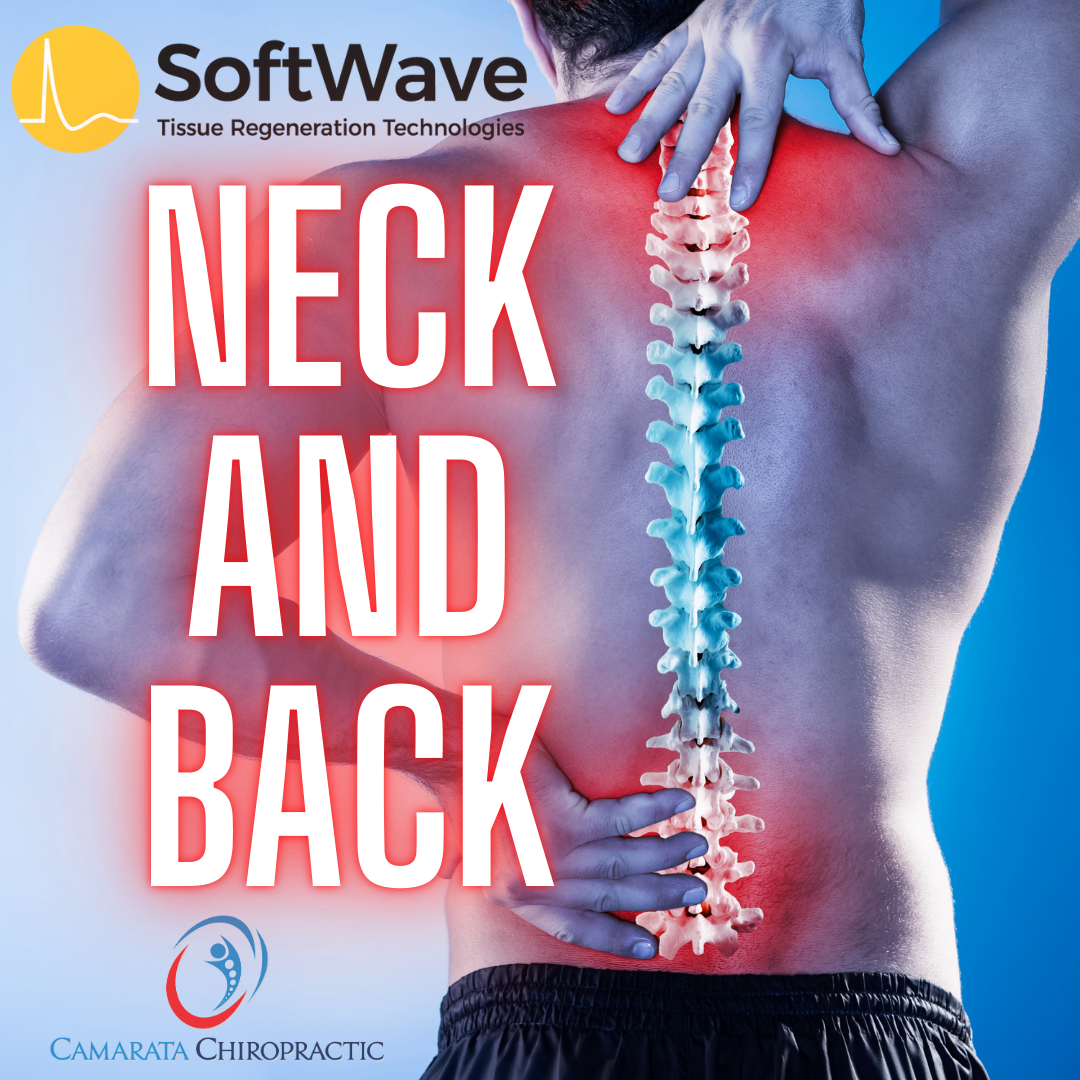
Neck & Back Pain, Sciatica, Disc Herniation & Nerve Pain
Persistent spinal discomfort rarely reflects a single structural issue. Neurological signaling, joint motion, and tissue health all play a role.
Muscle Strains
SoftWave Therapy supports metabolic activity and circulation within injured muscle tissue.
Ligament Injuries
Ligaments heal slowly due to limited blood supply. Stimulating regenerative responses can accelerate recovery.
Chronic Joint Pain
Long-standing discomfort often involves inflammatory dysregulation and compensation patterns rather than active injury alone.
Sports and Overuse Injuries
Athletes frequently develop microtrauma patterns requiring both biomechanical correction and tissue regeneration support.
Why Integration Matters: Structure + Regeneration
Persistent pain is multifactorial.
This is why SoftWave Therapy is often integrated with chiropractic care.
Chiropractic Care Addresses:
-
Joint motion and biomechanics
-
Mechanical stress patterns
-
Neurological input to the brain
-
Compensation dynamics
SoftWave Therapy Supports:
-
Tissue repair mechanisms
-
Cellular regeneration responses
-
Circulatory efficiency
-
Inflammatory regulation
Together, this approach targets both mechanical function and biological recovery.
Healing is not just structural. It is physiological and neurological.
Moving Beyond Symptom Chasing
When pain becomes persistent, repeating the same strategies often leads to frustration:
Temporary relief
Followed by recurrence
Followed by adaptation
Followed by plateau
A different outcome requires a different approach.
Instead of asking:
“How do I reduce pain?”
The more productive question becomes:
“How do I improve healing capacity, function, and adaptation?”
When Should You Consider a New Strategy?
A new clinical approach may be warranted if:
-
Pain repeatedly returns
-
Progress has plateaued
-
Recovery feels incomplete
-
Symptoms fluctuate without clear cause
-
Traditional treatments provide only short-term relief
Persistent pain is not always a sign of permanent damage.
It is often a signal that the body’s repair and regulation systems need support.
Get a Hold of Us
3237 Union St
North Chili, NY 14514
Phone: Call or text 585-617-4145
Email: info@camaratachiropractic.com
Facebook: https://www.facebook.com/camaratachiropractic
Instagram: https://www.instagram.com/camarata_chiro/
New Patient Scheduler Online Here!
The information provided in this article is for educational and informational purposes only and is not intended as medical advice. Content shared on this website is not meant to diagnose, treat, cure, or prevent any condition. Individual health needs and circumstances vary. Always consult with your healthcare provider or speak with our team at Camarata Chiropractic & Wellness before making changes to your health, nutrition, hydration, exercise, or lifestyle routines.
‹ Back
Recent Posts
-
-
-
Your Child's First Chiropractic Visit: What Parents Can Expect
August 26, 2026
-

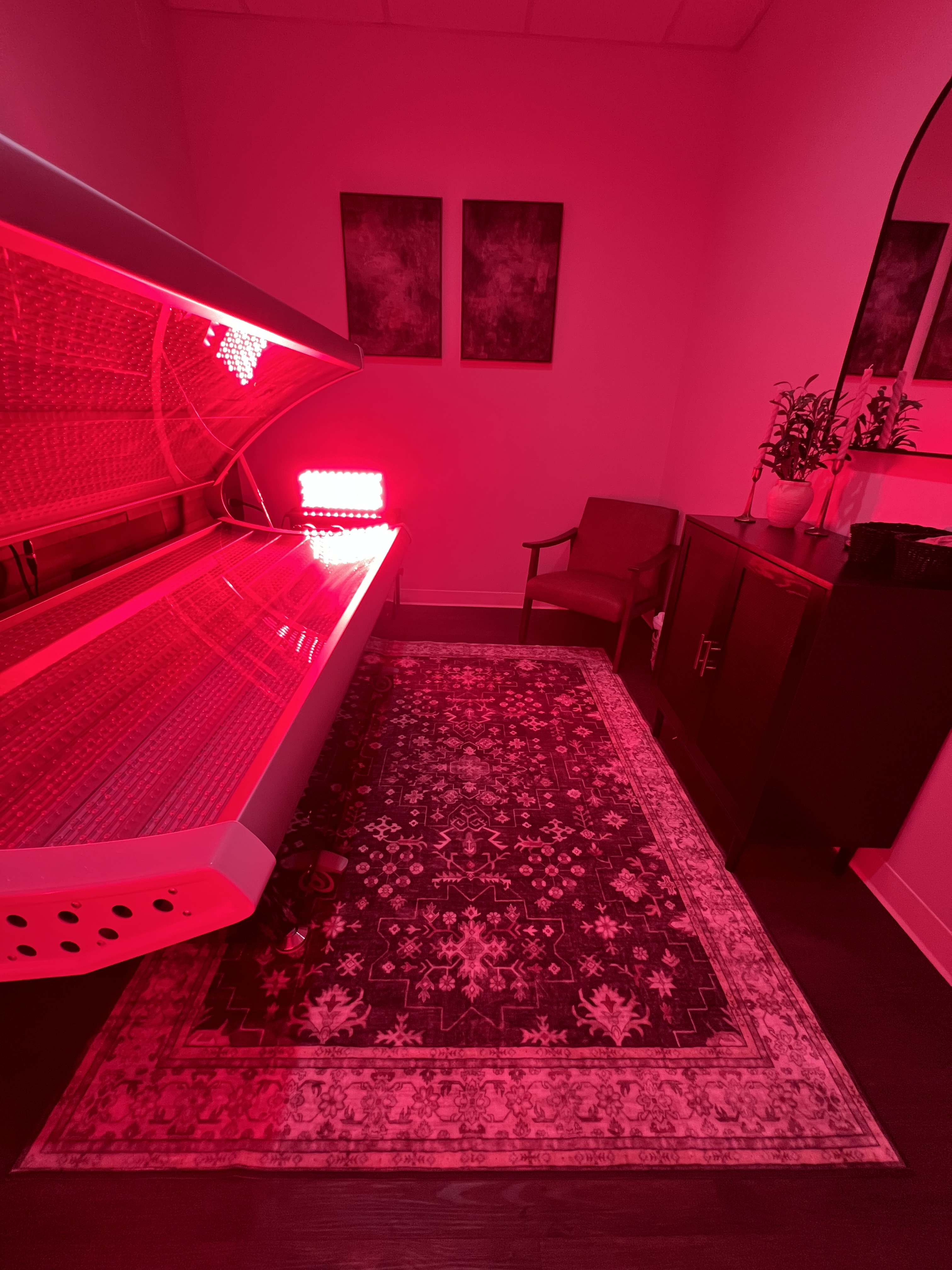
Red Light Therapy vs Tanning Beds: What Is Actually Different
August 22, 2026
-


 3237 Union St, North Chili, NY 14514
 (585) 617-4145