
Blog
Coaches: How to Keep More Athletes Off the Injury List This Season
Every coach knows the feeling.
You build a game plan around your best players, and by midseason half of them are nursing something. A tweaked hamstring. A sore shoulder. A back that "just feels tight." Suddenly you are coaching a different team than the one you started with.
There is an old saying in sports: the best ability is availability.
You cannot prevent every injury. Contact sports will always involve some risk. But a surprising number of injuries are predictable and preventable, especially the overuse and soft tissue injuries that quietly drain rosters every season.
Here is what I share with coaches across the Rochester area.
1. Warm Up Like It Matters
A structured dynamic warm-up is one of the best-supported injury prevention strategies in youth and high school sports. Programs built around movement prep, balance, jumping and landing mechanics, and strength have been shown to reduce lower body injuries, including ACL injuries, particularly in female athletes.
A good warm-up takes 10 to 15 minutes and includes:
- Light jogging and movement to raise body temperature
- Dynamic mobility for hips, ankles, and shoulders
- Activation work for glutes and core
- Jumping and landing drills that emphasize soft knees and good alignment
- Progressive speed and change-of-direction work
Static stretching before practice has its place for some athletes, but it should not replace a real warm-up.
2. Manage the Load
Most overuse injuries come down to one thing: the load increased faster than the body could adapt.
- Avoid big jumps in volume early in the season
- Pay attention after breaks, like the first week back after a long weekend
- Follow pitch counts and throwing guidelines
- Be aware of athletes playing on multiple teams at once
- Plan lighter days after high-intensity sessions and games
A simple rating of how hard each practice felt, from 1 to 10, can help you spot when the team is running hot.
3. Build Strength Year-Round
Strong athletes get hurt less. Strength training improves tissue resilience, protects joints, and helps athletes absorb and produce force more safely.
Even twice a week, focused on fundamentals like squats, hinges, lunges, pushes, pulls, carries, and core stability, can make a meaningful difference.
4. Take Small Complaints Seriously
Athletes are wired to play through pain. That toughness is admirable, but it often turns a two-week problem into a two-month one.
Create a culture where athletes feel comfortable speaking up early. Watch for changes in how they move: a slight limp, a different throwing motion, favoring one side. Early attention is almost always faster than late repair.
Coaches, we want to help. Camarata Chiropractic offers team talks, movement screenings, and individual care plans for athletes. See how a team partnership works at camaratachiropractic.com/sports.
5. Prioritize Recovery
Training breaks the body down. Recovery is where it gets stronger.
- Sleep: teen athletes generally need 8 to 10 hours, and most get far less
- Nutrition and hydration: especially protein and fluids around practices
- Active recovery: lighter movement the day after hard games
- Rest days: at least one or two days off from organized training per week
Athletes who sleep poorly tend to get hurt more often, and sleep is one of the easiest things to influence through education.
6. Screen for Movement Problems
Many injuries have warning signs that show up before the injury. A knee that collapses inward on landing. An ankle that barely bends. A shoulder that cannot rotate. Big side-to-side differences in strength or balance.
A simple preseason movement screen can flag athletes who may benefit from extra attention before problems start.
Where We Fit In
Our team at Camarata Chiropractic & Wellness works with athletes of all ages, from youth leagues through high school, college, and adult competitors. For teams and programs, that can include:
- Team talks for athletes and parents on injury prevention and recovery
- Movement screenings to identify athletes at higher risk
- Sports chiropractic care to restore motion and support performance
- SoftWave Therapy, FDA cleared and non-invasive, for stubborn tendon and soft tissue injuries
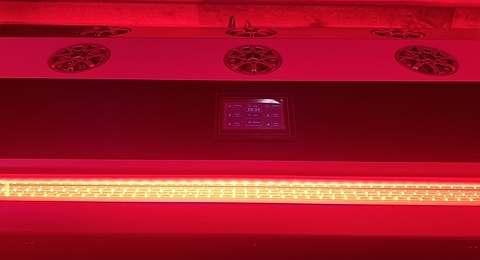
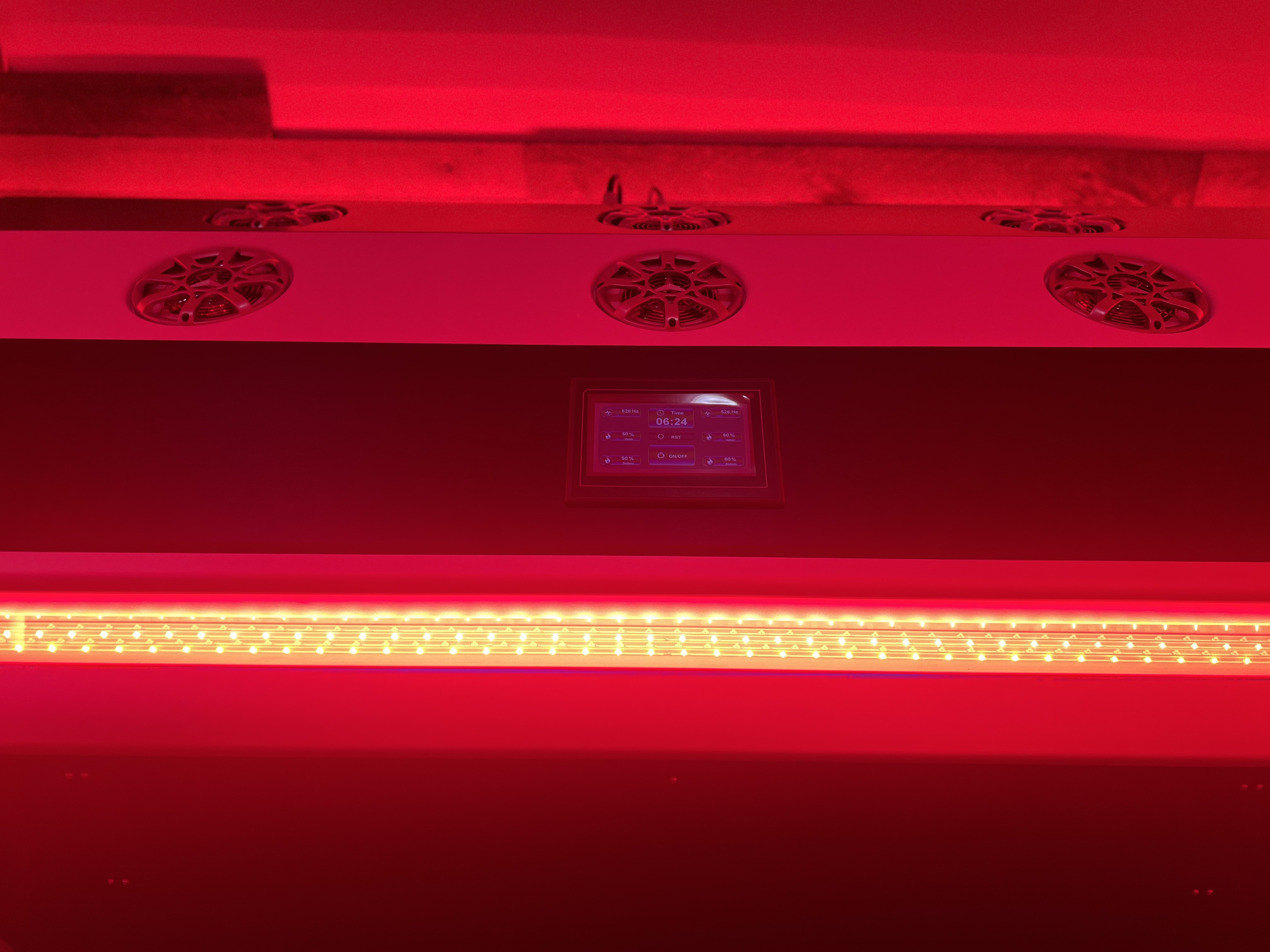
- Full-body Red Light Therapy on our Trifecta Pro 450 for recovery
- Priority scheduling when an athlete goes down during the season
We are also proud to serve as Presenting Partner of the Western New York PGA, bringing care directly to athletes on site.
When to Pull an Athlete and Get Them Evaluated
- Any suspected head injury or concussion symptoms
- A pop, deformity, or inability to bear weight
- Numbness, tingling, or weakness in an arm or leg
- Neck pain after contact
- Pain that changes how they move
When in doubt, sit them out. A missed practice is better than a missed season.
Common Questions
Do you work with youth teams and club programs too?
Yes. We work with school teams, travel and club programs, and youth leagues. The approach is the same: help coaches keep more athletes healthy and available.
What happens at a team talk?
A short, practical session for athletes and parents on warm-ups, recovery, sleep, and recognizing early warning signs. It can be at your practice or in our office, and it fits around your schedule.
Do you offer care for athletes on game days or at events?
We bring care on site for certain events, as we do with the Western New York PGA. Ask us about your program and schedule.
Keep Your Roster Healthy
A healthy team is a better team. Small, consistent habits add up to more athletes available on game day.
We would love to help your program. We work with coaches, athletes, and families across North Chili, Chili, Churchville, Spencerport, and greater Rochester.
Get a Hold of Us
If you are ready to move better, feel better, and recover faster, our team at Camarata Chiropractic & Wellness is here to help.
New Patient Scheduler Online Here!
Camarata Chiropractic & Wellness
3237 Union Street
North Chili, NY 14514
Follow Us:
Facebook: Camarata Chiropractic & Wellness
Instagram: @camarata_chiro
‹ Back
Recent Posts
-
-
-
-

October Unlimited Red Light Therapy Special - ONLY $299!
September 30, 2026
-

Maintenance Care: Why Feeling Good Is the Point, Not the Finish Line
September 29, 2026


 3237 Union St, North Chili, NY 14514
 (585) 617-4145