
Blog
Could Hidden Food Sensitivities Be Holding Back Your Results? Why Food Inflammation Testing May Be the Missing Piece in Your Health and Recovery
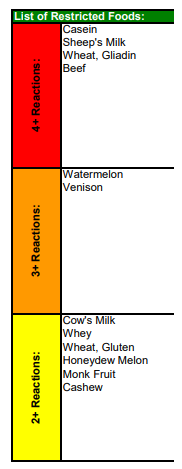
Many patients come into our office doing what they believe are all the right things.
They are exercising consistently.
They are trying to eat “healthy.”
They are staying active and making an effort to take care of their body.
Yet they are still dealing with:
- Persistent pain and inflammation
- Fatigue and low energy
- Stubborn weight that will not budge
- Digestive issues
- Skin concerns
At some point, they begin to ask a deeper question:
“What am I missing?”
In many cases, the answer lies in something they encounter every single day, the food they are eating.
The Hidden Driver of Inflammation
Food sensitivities are often overlooked because they do not always produce immediate or obvious reactions.
Unlike food allergies, which can cause rapid and severe symptoms, food sensitivities tend to create delayed, low-grade inflammation that builds over time.
This chronic inflammatory response can interfere with:
- Joint and muscle health
- Nervous system function
- Metabolism
- Gut health
- Immune system balance
The result is a body that is constantly working against itself.
Why Food Inflammation Testing Matters
At Camarata Chiropractic & Wellness, we often recommend advanced food inflammation testing, including KBMO testing, to help identify hidden triggers that may be contributing to chronic symptoms.
Instead of guessing or following generic nutrition plans, testing allows you to create a personalized, data-driven approach to nutrition and healing.
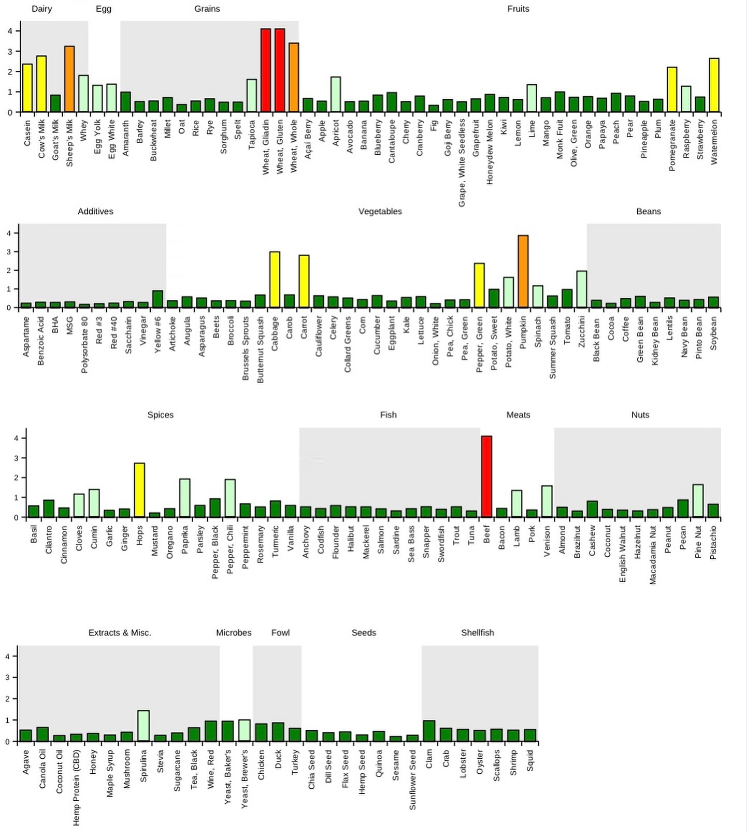
Here are seven key reasons why this approach is helping our patients achieve better results.
1. Uncovering Hidden Inflammatory Triggers
Many of the foods patients consume daily, even those considered “healthy”, can trigger inflammation in their body.
Common examples include:
- Dairy
- Gluten
- Eggs
- Certain fruits, vegetables, or proteins
Without testing, these triggers often go unnoticed.
By identifying them, patients can remove the underlying source of inflammation rather than continuing to unknowingly aggravate it.
2. Reducing Chronic Pain and Inflammation
Chronic inflammation is a major contributor to pain.
When inflammatory foods are consistently consumed, the body remains in a heightened state of irritation, which can affect:
- Joints
- Muscles
- Connective tissue
Once these triggers are removed, many patients experience a noticeable reduction in pain as the body is finally able to shift into a healing state.
3. Improving Muscle and Joint Health
Inflammation directly impacts how muscles and joints function.
Excess inflammation can lead to:
- Stiffness
- Reduced mobility
- Slower recovery
- Increased risk of injury
By lowering inflammation through targeted nutrition, patients often see improvements in:
- Range of motion
- Recovery time
- Overall physical performance
4. Supporting Nerve Health and Reducing Irritation
The nervous system is highly sensitive to inflammation.
When the body is inflamed, nerve pathways can become more reactive, contributing to:
- Increased pain sensitivity
- Tingling or discomfort
- Heightened stress responses
By removing inflammatory triggers, patients often experience improved nervous system balance and reduced irritation.
5. Enhancing Weight Management and Metabolism
Chronic inflammation can disrupt metabolic processes and make it more difficult for the body to regulate weight.
This can lead to:
- Difficulty losing weight
- Increased fat storage
- Energy fluctuations
When inflammation is reduced, the body becomes more efficient at:
- Burning energy
- Utilizing nutrients
- Supporting a healthy metabolism
This often leads to more sustainable progress with weight management.
6. Improving Skin Health from the Inside Out
The skin is often a reflection of internal health.
Many skin conditions are linked to inflammation within the body, including:
- Acne
- Eczema
- Redness or irritation
By identifying and removing inflammatory foods, patients frequently notice improvements in skin clarity and overall appearance.
This reinforces the concept that true health starts internally.
7. Creating a Personalized Nutrition Plan That Works
One of the biggest challenges in nutrition is the overwhelming amount of conflicting information.
What works for one person may not work for another.
Food inflammation testing removes the guesswork by providing:
- Clear, individualized data
- A targeted plan based on your body’s responses
- A sustainable approach to eating
This allows patients to move away from trends and toward a strategy that is specific to them.
Why This Is the Missing Piece for So Many People
Many patients attempt to improve their health through:
- Chiropractic care
- Exercise
- Supplements
- Lifestyle changes
While all of these are valuable, they may not fully resolve the issue if chronic inflammation from food sensitivities is still present.
You cannot out-adjust, out-exercise, or out-supplement ongoing inflammation if it is being triggered daily by what you eat.
When You Remove the Interference, the Body Can Heal
The body is designed to heal.
But it cannot function optimally when it is constantly dealing with hidden stressors.
When patients identify and remove their specific food triggers, they often experience:
- Reduced pain and inflammation
- Improved energy levels
- Better digestion
- Enhanced recovery
- Clearer skin
- More consistent progress in their overall health
Take Control of Your Health
If you feel like you are doing everything right but still not getting the results you expect, it may be time to look deeper.
Food inflammation testing provides insight into what your body is responding to and allows you to make informed decisions about your nutrition.
Because once you know your triggers, everything changes.
Get a Hold of Us
Camarata Chiropractic & Wellness
3237 Union St
North Chili, NY 14514
Phone: 585-617-4145
Email: info@camaratachiropractic.com
Schedule your appointment online:
https://www.camaratachiropractic.com/appointment-request
Facebook: https://www.facebook.com/camaratachiropractic
Instagram: https://www.instagram.com/camarata_chiro/

Frequently Asked Questions (FAQ)
What is food inflammation testing?
It is a lab-based test that identifies how your body responds to specific foods and whether they are contributing to inflammation.
How is this different from food allergy testing?
Food sensitivities often cause delayed, low-grade inflammation, while allergies typically produce immediate and more severe reactions.
How long does it take to see results after removing trigger foods?
Many patients begin to notice improvements within a few weeks, with continued progress over time.
Do I have to eliminate foods forever?
Not necessarily. Many plans involve a temporary elimination phase followed by strategic reintroduction based on your body’s response.
Can this help with conditions beyond pain?
Yes. Food sensitivities can impact multiple systems in the body, including digestion, skin, energy levels, and overall inflammation.
If you are ready to uncover what may be holding you back, this is where your next level of health begins.

The information provided in this article is for educational and informational purposes only and is not intended as medical advice. Content shared on this website is not meant to diagnose, treat, cure, or prevent any condition. Individual health needs and circumstances vary. Always consult with your healthcare provider or speak with our team at Camarata Chiropractic & Wellness before making changes to your health, nutrition, hydration, exercise, or lifestyle routines.
‹ Back
Recent Posts
-
-

-

SoftWave for Shin Splints: Help for Cross Country and Fall Runners
October 10, 2026
-
-



 3237 Union St, North Chili, NY 14514
 (585) 617-4145