
Blog
One Sport All Year? Why Young Athletes Need an Off Season
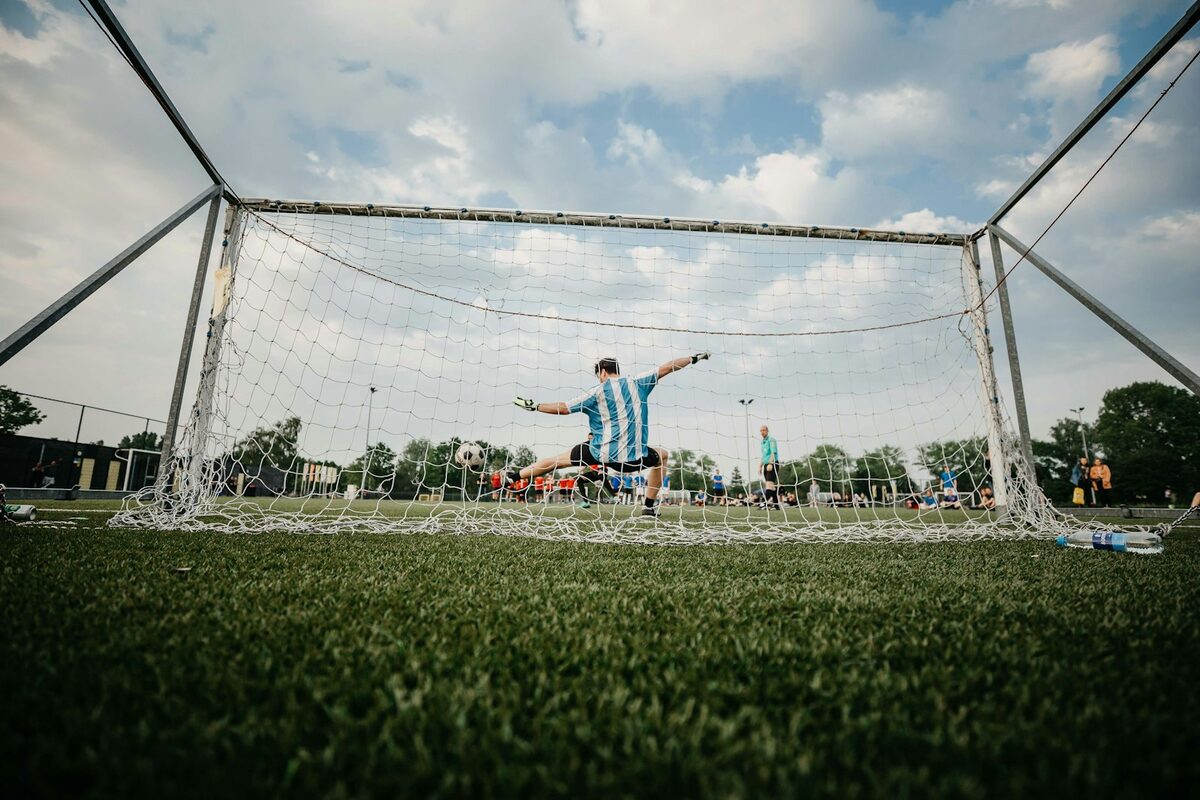
When I was a kid, sports had seasons.
Soccer in the fall. Basketball in the winter. Baseball in the spring. Summer was for riding bikes and swimming until the streetlights came on.
Today, a lot of kids pick one sport by age ten and play it twelve months a year. Fall league, winter clinics, spring travel team, summer showcases. Repeat.
I understand why. Families want their kids to improve, compete, and maybe earn a roster spot or a scholarship down the road. Those are good goals.
But the way we pursue them matters, because what I see in the office tells a clear story: year-round single-sport training is wearing young bodies down.
What Happens When the Same Tissue Never Gets a Break
Every sport loads the body in specific, repetitive ways.
Pitchers stress the inside of the elbow and the front of the shoulder. Soccer players hammer the knees, hips, and groin. Dancers and gymnasts load the low back into extension again and again. Runners pound the shins and feet.
Tissue adapts to load, which is how kids get stronger and better. But adaptation requires recovery. When the same structures are stressed in the same way, week after week, with no break, the stress eventually outpaces the repair.
That is the definition of an overuse injury.
And growing kids have an extra vulnerability: their growth plates. These areas of developing cartilage near the ends of bones are weaker than the surrounding tendons and ligaments, so repetitive stress often shows up there first.
Overuse Injuries We See in Young Athletes
- Little League elbow and shoulder in baseball and softball players
- Osgood-Schlatter pain below the kneecap in jumping and running sports
- Sever's disease, heel pain at the growth plate, common in soccer players
- Low back stress injuries in gymnasts, dancers, divers, and football linemen
- Shin splints and stress reactions in runners and field athletes
- Hip and groin strains in hockey and soccer players
Many of these are completely manageable when caught early. The problem is that kids are wired to push through, and parents and coaches often do not hear about it until a child is limping.
The Burnout Side Nobody Talks About
Overuse is not only physical.
Kids who play one sport year-round are more likely to burn out and quit altogether. The thing they loved becomes a job. And when the joy goes, the motivation that drives real improvement goes with it.
A break is not a step backward. For a lot of kids, it is what keeps them in the sport long enough to reach their potential.
Why Multi-Sport Kids Often Win in the Long Run
Playing different sports develops different movement skills. Agility from basketball. Footwork from soccer. Rotational power from baseball. Body awareness from gymnastics or martial arts.
That broader movement vocabulary tends to make kids better, more adaptable athletes, and it spreads the physical stress across different tissues instead of concentrating it in the same spots.
Plenty of college coaches will tell you they like recruiting multi-sport athletes for exactly that reason.
Coaches and parents: we work with teams and young athletes across the Rochester area on movement screenings, injury prevention, and recovery. Learn more about our team program at camaratachiropractic.com/sports.
Practical Guidelines for Families
You do not have to pull your child out of travel ball to protect them. A few guidelines go a long way:
- Take real breaks. Aim for at least two to three months a year away from the primary sport, ideally in blocks of a month or more.
- At least one or two days off per week from organized training.
- Watch the hours. A common guideline is that kids should not train more hours per week than their age in years.
- Follow pitch counts and rest rules in throwing sports. They exist for good reasons.
- Do not play the same sport on multiple teams in the same season without accounting for the total load.
- Protect sleep. Growing athletes need more of it than adults, and recovery happens there.
- Take complaints seriously. Pain that changes how a child moves, or that is still there the next morning, deserves attention.
Where Chiropractic Fits for Young Athletes
Pediatric and adolescent chiropractic care is gentle and tailored to the child's age and size. We are not adjusting a 12-year-old the way we adjust a 250-pound adult.
For young athletes, our focus is on:
- Movement screening to catch asymmetries and restrictions before they turn into injuries
- Restoring joint motion in the spine, hips, and extremities so load is shared evenly
- Addressing early overuse problems while they are still small
- Home exercises that build strength and control the sport does not develop on its own
- Education for kids and parents about load, recovery, and warning signs
We also see a lot of teenage athletes for recovery during busy seasons, and for older teens with stubborn tendon problems, our full-body Red Light Therapy can be a helpful addition.
When to Get Your Child Evaluated
- Pain that lasts more than a few days or returns every time they play
- Limping, favoring a limb, or changing how they throw or run
- Swelling, warmth, or point tenderness over a bone
- Night pain or pain at rest
- Numbness, tingling, or weakness
Night pain, pain at rest, or point tenderness over a bone in particular should be evaluated promptly to rule out a stress fracture or other problem.
Keep Them in the Game for the Long Haul
The goal is not to make kids play less. It is to make sure they are still playing, and still loving it, five and ten years from now.
A smart off season, a variety of movement, and early attention to small problems are some of the best investments a sports family can make.
We help young athletes and their families across North Chili, Chili, Churchville, Spencerport, and greater Rochester stay healthy season after season.
Get a Hold of Us
If you are ready to move better, feel better, and recover faster, our team at Camarata Chiropractic & Wellness is here to help.
New Patient Scheduler Online Here!
Camarata Chiropractic & Wellness
3237 Union Street
North Chili, NY 14514
Follow Us:
Facebook: Camarata Chiropractic & Wellness
Instagram: @camarata_chiro
‹ Back
Recent Posts
-
-
-

October Unlimited Red Light Therapy Special - ONLY $299!
September 30, 2026
-
Maintenance Care: Why Feeling Good Is the Point, Not the Finish Line
September 29, 2026
-

Round Ligament Pain in Pregnancy: Sharp, Sudden and Usually Normal
September 27, 2026


 3237 Union St, North Chili, NY 14514
 (585) 617-4145